
AIdataNewsGlobal General: AI-Linked Demand Propels 2026 Electronics Output in Taiwan, Japan, EU27 and US
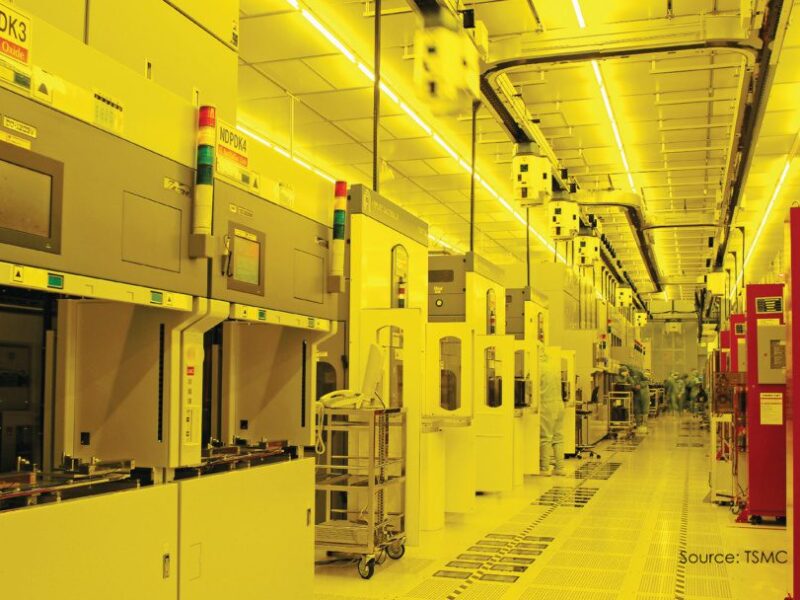
For readers of the AIdataNewsGlobal General channel, the more useful question is not just whether electronics production is rising in 2026, but what that rise says about the current AI hardware cycle. The Semiconductor Intelligence analysis published on 22 October frames the picture with a three-month average compared with the same period a year earlier. This method reduces the noise of single-month movements. Across the major manufacturing economies covered, output growth accelerated, while the same AI-linked demand intensified memory supply pressure and coincided with weaker consumer devices.
Summary at a glance
- Taiwan is the standout case: the consultancy says output increased by more than 100% year on year during much of 2026.
- Japan moved from a 1.5% contraction in January to 17.6% growth in August.
- EU27 production changed from a 10.5% decline in January to 16.9% growth by July.
- US electronics production grew 8.1% in August on the same measure, continuing an acceleration that began in October 2025.
- Thailand, Vietnam, Malaysia, South Korea, China and India also recorded gains.
- Worldwide PC shipments fell about 20% year on year in the third quarter of 2026; smartphone shipments fell 22%.
- The analysis puts the memory-cost increase in the year to the third quarter at 350%, linked to heavy DRAM and flash demand.
Taiwan and the AI module chain
Taiwan’s numbers show how concentrated demand can transform national production statistics. Semiconductor Intelligence links much of the increase to NVIDIA AI modules. Within that supply-chain description, TSMC makes the integrated circuits, while other Taiwanese firms assemble the circuits into modules. The result is an expansion that is less about broad consumer electronics and more about the infrastructure buildout being assembled around AI processors.
Japan, EU27 and the US: recovery after early-year weakness
The larger advanced-economy pattern is one of recovery rather than the sharp Taiwan surge. In Japan, the three-month average measure moved from a 1.5% year-on-year decline in January to 17.6% growth in August. The EU27 shifted from a 10.5% contraction in January to 16.9% expansion in July. In the US, the analysis shows 8.1% growth in August, extending the acceleration that started in October 2025.
Asian economies beyond the headline markets
Outside the major chipmaking and assembly hubs, other Asian economies are also participating in the cycle. The table below reproduces the reported national growth rates and their reference periods.
| Economy | Electronics production growth | Period |
|---|---|---|
| Thailand | 71% | August |
| Vietnam | 40% | August |
| Malaysia | 22% | August |
| South Korea | 18% | August |
| China | 17% | August |
| India | 14% | July |
Each figure is an economy-level rate. They should not be treated as a single global output number, because the national series examined by Semiconductor Intelligence and broader worldwide measures cover different ranges.
AI strength and consumer weakness in the same dataset
The analysis shows an uneven electronics cycle. Semiconductor Intelligence cites IDC data showing worldwide PC shipments falling about 20% year on year in the third quarter of 2026, with smartphone shipments declining by 22%. Memory pricing is central to the contrast: the increase in memory costs in the year to the third quarter is placed at 350%, reflecting heavy demand for DRAM and flash memory.
Forecasts embedded in the same analysis keep consumer hardware under pressure. IDC forecasts an 11.3% contraction in PC shipments for 2026. The analysis also cites a 13.9% expected fall in smartphone shipments. eeNews Europe had previously reported rising mobile DRAM prices, and the cost environment has forced handset makers to reconsider production plans, especially for lower-priced devices.
The wider production outlook
At a global level, the outlook remains positive. Atradius projected worldwide output growth of 11% in 2026 and 7.3% in 2027 in its August electronics and ICT industry outlook. That projection should be read as a broader industry measure, not as a direct replacement for the country-level three-month average series analysed by Semiconductor Intelligence.
What the mix signals for supply-chain observers
For analysts tracking AI infrastructure, the key point is that national production series are not moving together in response to the same end market. The expansion in Taiwan is tied to AI module assembly; the improvements in Japan, EU27 and the US indicate broader recovery or acceleration in electronics output. The weaker PC and smartphone shipment data shows that consumer-device production is not the main source of the lift, while memory prices show that AI demand is pulling supply and cost upward. The table and national rates provide the evidence base, and the broader Atradius projection places the cycle in a wider industry outlook.
FAQ
What does the 22 October analysis measure?
It uses a three-month average compared with the same period a year earlier to track electronics output in 2026 and reduce month-to-month noise. The analysis covers Taiwan, Japan, EU27, the US, and several other Asian economies.
Why is Taiwan’s expansion described as exceptional?
Taiwan’s output rose by more than 100% year on year during much of 2026 on that basis. Semiconductor Intelligence attributes much of that increase to NVIDIA AI modules, with TSMC manufacturing integrated circuits and other companies in Taiwan assembling modules.
Which other economies improved?
Japan moved from 1.5% contraction to 17.6% growth between January and August. EU27 moved from 10.5% contraction to 16.9% growth between January and July. US production rose 8.1% in August, continuing an acceleration that began in October 2025. Thailand, Vietnam, Malaysia, South Korea, China and India also posted gains.
How should readers compare Taiwan with Thailand and Vietnam?
Taiwan’s more than 100% increase is tied in the analysis to NVIDIA AI modules and TSMC circuits, whereas Thailand, Vietnam, Malaysia, South Korea, China and India are listed as separate economy-level gains using the same broad measure. Their rates are not directly comparable to a global estimate.
Why are PCs and smartphones falling while AI infrastructure is booming?
The same AI-linked demand raises memory costs and supply pressure. The analysis puts the memory-cost increase in the year to the third quarter at 350%, with IDC data showing PC shipments down about 20% and smartphone shipments down 22% in the third quarter of 2026.
What does the rest of 2026 and 2027 outlook include?
For consumer devices, IDC forecasts an 11.3% PC contraction for 2026, and the analysis cites a 13.9% expected smartphone decline. For the broader industry, Atradius projects 11% worldwide output growth in 2026 and 7.3% in 2027.
The General reading for AIdataNewsGlobal readers is that AI-linked demand is now a visible engine behind 2026 electronics production, with Taiwan, Japan, EU27, the US and several Asian economies gaining at different speeds. The challenge is that the gain is not evenly shared: memory-cost pressure is squeezing PCs and smartphones, even as the wider industry outlook remains positive.