
AI Server Demand Tightens Circuit Board Supply: What It Means for PCs, Medical Devices and 2027 Planning
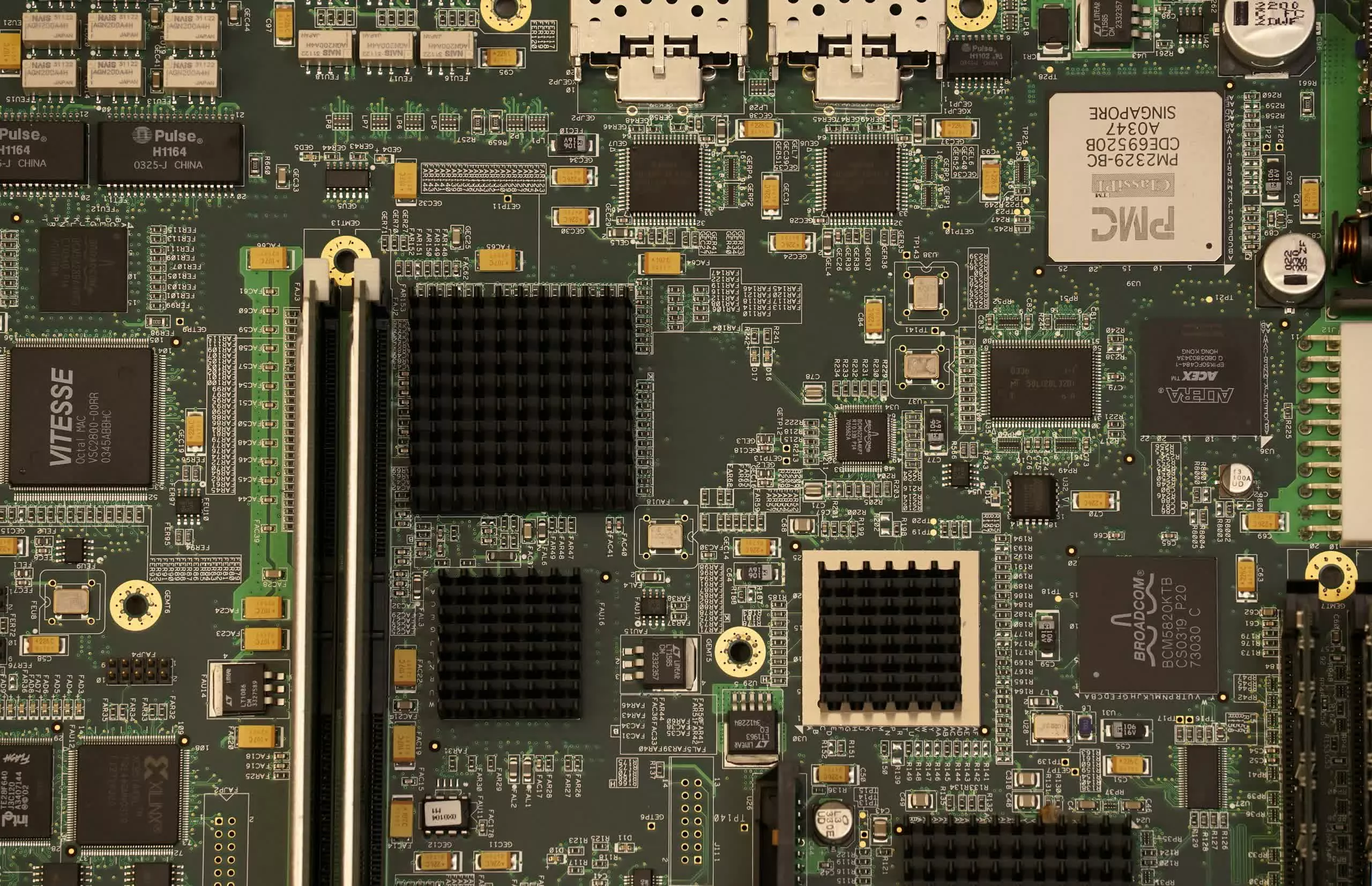
The buildout of AI data centers is no longer being absorbed only by memory, flash storage and GPU demand. Reporting from Nikkei Asia indicates that the pressure has reached the printed circuit board segment, creating an unusual situation for the global electronics supply chain: manufacturers that make ordinary consumer devices are competing for components that are being diverted toward high-performance AI servers.
For PC brands such as HP and Dell, one of the questions now being discussed inside product roadmaps for 2027 is whether there will be enough boards to build next year’s systems. Even when forecasts suggest global PC shipments may decline again next year, a United States PC maker executive told Nikkei Asia that the company is still struggling to secure the PCB volumes needed for production.
Key Numbers Shaping the PCB Shortage Story
- Copper-clad laminate prices: one Taiwan PC manufacturer said that current CCL prices are at least 12 times July levels. This is a single-company market observation, not proof that every CCL specification has risen by the same amount.
- Order books: one of the world’s major copper-clad laminate suppliers has already booked orders into 2030. Even after a plan to expand production to three times current capacity by 2028, the backlog remains large.
- Lead times: a PCB supplier said that the delivery time for a sizable share of its products has doubled. Another supplier noted that, if a new order is placed now, delivery is expected in the second half of 2028. That implies that some orders face waits of 30 months.
- Labor and cost inflation: as the industry races to add capacity, pay for PCB-related technical roles has gone up 20% to 30%.
- Downstream spillover: Japan’s Canon said this week that certain production has been constrained since August this year because AI-driven demand for boards and related parts is affecting its operations; the company expects about ¥90 billion in this year’s medical-device sales loss.
- Memory and consumer PC costs: since 2026, DRAM and NAND flash prices have continued to rise. Gartner previously forecasted that, by 2028, PCs priced below $500 may gradually disappear.
- Graphics card pricing: for NVIDIA’s GeForce RTX 5080, some U.S. retail channels have reached prices close to $2,000, well above the initial official suggested retail price.
- Advanced substrate capacity: NVIDIA has built partnerships with Ibiden, South Korea’s Samsung Electro-Mechanics and Taiwan’s Unimicron Electronics. Unimicron Electronics plans to lift relevant capacity 2.5 times within the next three years.
Why Ordinary PC Demand Is Not Easing Component Pressure
In a normal electronic hardware cycle, falling PC demand tends to loosen component sourcing. The current market points in another direction. Global PCB manufacturing resources are being pulled into AI server construction, so consumer electronics companies may still fail to secure enough boards for production even when end-user demand is weak.
That inversion of expectations is why manufacturers of desktops, laptops and graphics cards are treating board supply as a planning risk rather than a routine procurement task.
How AI Server Boards Outbid Desktops and Laptops
AI server boards are not interchangeable with conventional consumer motherboards. High-end AI servers must carry many GPUs, CPUs, memory modules and high-speed interconnect devices, which raises the requirements for signal integrity, thermal handling and electrical performance.
To sustain reliable high-speed data transfer, these boards often use dozens of layers and rely on low-loss copper-clad laminates and special glass-fiber materials. The combination is harder to produce, more expensive and more attractive to PCB manufacturers than ordinary consumer board work.
From a factory scheduling perspective, one premium AI server board can consume equipment time and material resources comparable to several consumer boards. AI infrastructure buyers also tend to have stronger purchasing capacity and greater willingness to pay. As a result, capacity once used for desktop motherboards, laptop boards and graphics card PCBs can be redirected toward server-oriented production.
Why Materials, Not Just Factories, Are the Real Constraint
Copper-clad laminate sits at the front of the PCB production chain. It is a core base material made from glass fiber cloth, resin and copper foil laminated together. PCB makers then form circuit patterns on its surface and stack layers to create a complete board.
When upstream materials tighten, factory willingness to accept orders becomes less important than whether raw material can arrive on time. The Nikkei Asia reporting indicates that at least one major global CCL supplier is booked into 2030, and that even a planned expansion to three times current capacity by 2028 has not cleared the backlog.
Expansion itself is also slower than a simple capex decision. Beyond buying equipment, building facilities and securing materials, the PCB industry faces a shortage of experienced engineers and production specialists. As firms rush to enlarge capacity, wages for relevant technical positions have gone up 20% to 30%, raising expansion costs and slowing the point at which new capacity can operate as expected.
When a Low-Profile Part Becomes the Bottleneck
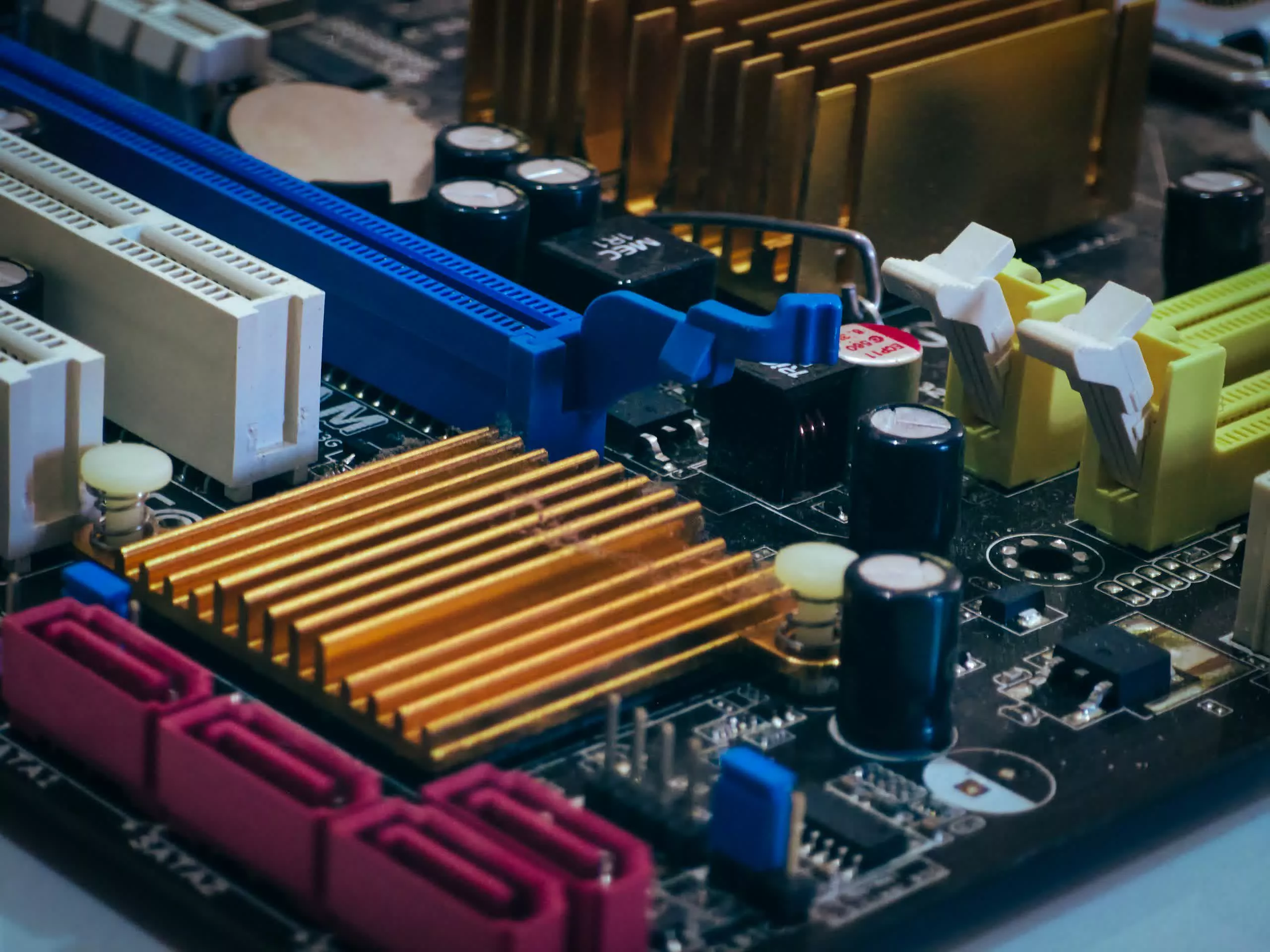
A printed circuit board may not dominate the bill of materials, but it is not substitutable. A motherboard, a graphics card and a laptop all depend on boards to connect chips, memory, power components and other parts. If PCB supply is short, a manufacturer can have CPUs, GPUs and memory in hand and still be unable to finish systems.
NVIDIA’s response to the advanced packaging and substrate race illustrates another layer of competition. The company has aligned itself with Ibiden, South Korea’s Samsung Electro-Mechanics and Taiwan’s Unimicron Electronics, while Unimicron Electronics plans to expand relevant capacity 2.5 times within the next three years.
Still, chip packaging substrates and ordinary PCBs are technically related but not fully interchangeable. Growth in AI chip substrate demand can therefore intensify the broader circuit board chain’s scramble for specialized inputs.
The Cost Shock Spreads Beyond Consumer Hardware
Canon’s latest disclosure makes the cross-industry impact harder to ignore. Japan’s Canon said this week that part of its production has been limited since August this year due to AI-driven shortages of circuit boards and related components, and that medical device output is affected. The company expects about ¥90 billion in this year’s medical-device sales loss.
This is not only a PC story. Medical devices, industrial electronics and any products that rely on complex boards can become exposed when server-grade demand absorbs scarce materials.
For consumer PCs, the board problem is layered on top of earlier cost shocks. Since 2026, DRAM and NAND flash prices have continued to climb, pushing PC makers to reconsider configurations and pricing. Gartner previously forecasted that, by 2028, PCs priced below $500 may gradually disappear as memory and other key components become harder to source cheaply.
Graphics hardware shows a similar pattern. Some retail channels in the United States have priced NVIDIA’s GeForce RTX 5080 close to $2,000, far above the initial official suggested retail price. Once boards join the list of constrained and rising-cost components, the whole PC cost base faces additional pressure.
What the 2027 Outlook Looks Like
The central concern for 2027 is that weak consumer demand may not translate into lower procurement costs. If AI server customers continue to outbid traditional electronics brands for PCB capacity, PC makers may face tight supply and expensive inputs even while product demand stays soft.
Over the next period, desktop motherboards, laptop boards and graphics card PCBs could all be affected by higher board costs and longer delivery schedules. No specific retail price adjustment has been announced by PC makers, but memory, SSD and GPU costs are already rising; PCB constraints therefore further reduce the room for consumer electronics price relief.
FAQ: Reading the Signals Behind the Squeeze
Q: Why do falling PC shipments make this shortage more confusing?
A: Because the shortage is being driven by AI server production rather than weak consumer demand. Even if global PC shipments decline next year, manufacturers can still lack boards if capacity is allocated to higher-value server work.
Q: Is every copper-clad laminate specification up 12 times?
A: No. The 12-times comparison comes from one Taiwan PC manufacturer speaking about July levels. It shows rapid upstream strain, but it does not confirm that all CCL categories rose by the same magnitude.
Q: Could expanded capacity quickly fix the problem?
A: Not necessarily. One major CCL supplier is booked into 2030, and even a plan to triple capacity by 2028 still leaves a large backlog. Equipment, materials and skilled PCB personnel remain constraints.
Q: Does NVIDIA’s substrate partnership solve the broader PCB shortage?
A: It addresses advanced packaging and chip substrate needs, but chip packaging substrates and ordinary PCBs are related without being fully substitutable. AI chip substrate demand may still increase resource competition across the circuit board chain.
Q: Why are medical devices mentioned in a PC and AI story?
A: Canon’s report shows that boards and parts tied to AI server demand can affect medical device manufacturing, indicating that the shortage can extend beyond PCs and graphics cards.
What Readers Can Track Next
- Watch whether global PC shipments continue to fall next year while PCB supply remains tight.
- Look for more supplier statements on CCL prices, including whether the 12-times July comparison spreads beyond one Taiwan PC manufacturer.
- Check whether major CCL suppliers’ order books, currently reaching 2030, begin to shorten.
- Monitor whether lead times improve from the second half of 2028 and 30-month delivery window.
- Track wage inflation of 20% to 30% for PCB-related technical roles as a capacity bottleneck indicator.
- Follow whether below-$500 PC plans, RTX 5080 pricing near $2,000 and Canon’s roughly ¥90 billion medical-device loss become reference points for broader electronics cost pressure.
For AIdataNewsGlobal readers, the significance is not simply that boards are harder to buy. The episode shows how AI infrastructure growth is competing for low-profile industrial inputs that previously sat outside the center of attention. Capital, materials and skilled labor are being redirected toward data-center hardware, and traditional consumer electronics chains may still be unable to deliver products on schedule when ordinary boards cannot be secured.
The issue now sits at the intersection of memory markets, advanced processors, PCB materials, medical manufacturing and consumer PC roadmaps. If that linkage remains visible through 2027, the practical implication is clear: a supply chain pressure that begins with AI servers may not stop with server buyers.