Google AI Mode Advertising Moves Abroad: 10 New Markets, Multiturn Ads and Q3 Search Metrics
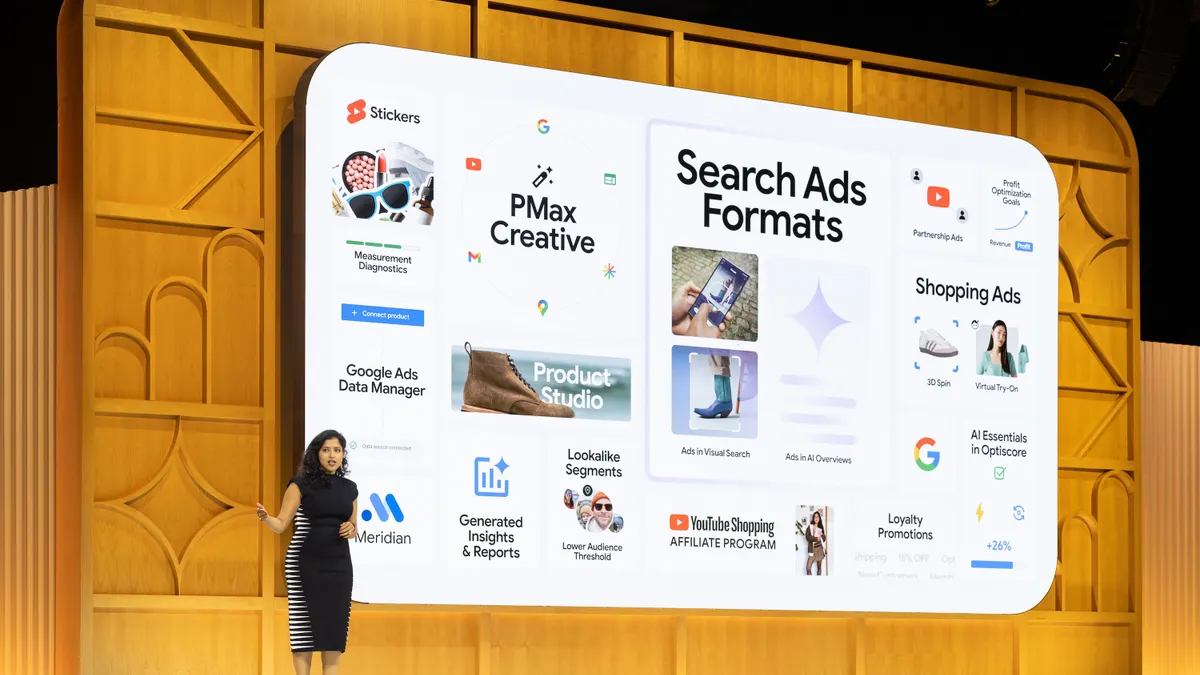
Google is widening the commercial footprint of AI Mode at a moment when its traditional search advertising engine is still growing but doing so more slowly. The company will extend AI Mode advertising into Australia, Canada, India, Kenya, Malaysia, New Zealand, Nigeria, Pakistan, Philippines and Singapore, giving the format a broader geographic test bed across 10 new markets. At the same time, Google will introduce multiturn ads in the United States, a product that follows the conversation as users refine questions inside AI Mode rather than matching only the first query.
The rollout is phased, not uniform
The first wave centers on 10 markets: Australia, Canada, India, Kenya, Malaysia, New Zealand, Nigeria, Pakistan, Philippines and Singapore. For the fourth quarter of 2026, Brazil, Mexico and United Kingdom are listed as follow-on expansion regions. The plan suggests Google is treating the international rollout as a sequence of stages rather than an immediate global switch.
In the United States, multiturn ads will be more closely tied to the evolving conversation. Instead of being anchored only to the initial search request, ads may appear as users continue to add conditions, clarify needs or change priorities. Google has described the logic as using conversational context to recommend related products or services.
The query behavior behind the product change
Sundar Pichai said search queries grew at the fastest pace in the past five years, and AI Mode reflects that shift in question structure. Pichai added that AI Mode queries are about three times as long as traditional search queries. He also said about one-fifth of global AI Mode searches involve multimodal inputs such as voice, images or documents. Separately, Google said it handles more than 50 billion visual searches monthly.
For advertisers, that behavior matters because users may reveal constraints step by step. A search can begin with a broad category question, then move toward budget, scenario, preference and exclusion. In theory, more specific demand expression may help ad systems identify the product or service a user is actually considering.
Executive framing: coverage and relevance
Google Chief Business Officer Philipp Schindler said on the earnings call that high-quality ads in AI Overviews and AI Mode are reaching more users and more types of search requests. That framing positions advertising not as an isolated overlay, but as part of a wider answer experience. Google has also pointed to early tests in which sponsored product listings in AI Mode attracted click-through rates similar to organic product listings, and user research indicated that consumers found the ads relevant. Still, those observations come from Google’s own tests and research, not proof of universal performance across markets, industries or user groups.
What the third-quarter earnings table shows
The ad expansion was announced alongside Alphabet third quarter results. The report showed strong total revenue growth, but slower growth in Google Search and related business.
| Reported signal | Figure |
|---|---|
| Alphabet total revenue, third quarter | $127.6 billion, up 25% year over year |
| Google Search and related business, year-over-year growth | 12% |
| Growth comparison for search business | Below second quarter 17% and first quarter 19% |
| Google Services revenue, third quarter | $96.3 billion, up 11% year over year |
| Google Cloud revenue, third quarter | $30.7 billion, up 103% year over year |
| AI Mode query length | About three times that of traditional search |
| Multimodal share of global AI Mode searches | About one-fifth |
| Visual searches handled by Google monthly | More than 50 billion |
Monetization is still an open question
Google executives acknowledged that AI Mode advertising can monetize less than some mature search ad scenarios. Users may receive a more complete answer from AI and click fewer links, which can change the display and click mechanisms that traditional search ads depend on. To address trust, Google says ads in AI Mode will be marked as Sponsored. The company will keep testing formats so ads remain relevant to user needs.
Operational changes are limited for now
Google is not requiring advertisers to build wholly separate AI Mode campaigns. Some existing search, Shopping and Performance Max campaigns can participate in relevant ad display, subject to campaign settings, matching and system judgments. That approach lets Google gradually bring AI search traffic into existing ad systems while reducing pressure on advertisers to redesign their workflow.
Competition, regulation and publisher impact
The rollout arrives as generative AI search changes how people access internet content. Some users may read AI-generated answers instead of visiting original websites. That could affect website traffic models and create pressure from competitors and regulators. Google has previously said AI features can still bring substantial visits to websites, but industry debate remains over whether AI answers reduce clicks and whether ad revenue can keep pace with rising query volume.
Checklist for analysts, brands and publishers
- Market scope: 10 new markets, namely Australia, Canada, India, Kenya, Malaysia, New Zealand, Nigeria, Pakistan, Philippines and Singapore; follow-on regions include Brazil, Mexico and United Kingdom in the fourth quarter of 2026.
- Product scope: multiturn ads in the United States, with ads tied to the ongoing AI Mode conversation.
- Transparency: AI Mode ads are marked Sponsored.
- Campaign setup: existing search, Shopping and Performance Max campaigns may participate; no fully independent AI Mode campaign is required by Google.
- Financial context: Alphabet third quarter revenue reached $127.6 billion, up 25% year over year, while Google Search and related business grew 12%, below second quarter 17% and first quarter 19%.
- Infrastructure context: Google Cloud revenue reached $30.7 billion, up 103% year over year; Google Services revenue reached $96.3 billion, up 11% year over year, covering search, YouTube and other consumer services.
- Behavioral context: AI Mode queries are about three times longer, about one-fifth involve multimodal inputs, and Google handles more than 50 billion visual searches monthly.
FAQ
What is the core change?
Google is expanding AI Mode advertising across 10 new markets and testing multiturn ads in the United States. The shift moves ads from a single search query toward the evolving context of an AI conversation.
How does AI Mode differ from traditional search behavior?
Traditional search ads often match a clear commercial keyword. In AI Mode, queries are about three times longer, users may state budget, scenario, preference and limits, and about one-fifth involve voice, images or documents.
What did Alphabet report?
In the third quarter, Alphabet reported total revenue of $127.6 billion, up 25% year over year. Google Search and related business grew 12%, down from 17% in the second quarter and 19% in the first quarter. Google Cloud grew 103% to $30.7 billion, and Google Services grew 11% to $96.3 billion.
Do advertisers need new campaigns?
Google said some existing search, Shopping and Performance Max campaigns can participate in relevant ad display, depending on settings, matching and system judgments. It did not say advertisers must create independent AI Mode campaigns.
Why is this not yet a proven revenue engine?
Google acknowledged that AI Mode monetization can lag mature search ad contexts, while early performance results are based on internal tests and research. The key uncertainty is whether ad revenue can keep pace with rising AI search usage without weakening user trust.
For now, the story is not simply that Google is adding more ad inventory. It is testing whether advertising can survive inside longer, messier, multimodal AI conversations while users expect direct answers. The global rollout of AI Mode advertising, the multiturn ads test, and the third quarter financial signals together show the company is moving forward. The outcome will depend on ad relevance, Sponsored disclosure, advertiser participation through Performance Max, and whether Google can sustain the trust that makes search answers usable.