
Google's Personal Intelligence Moves Into Free AI Search: An AIdataNewsGlobal General Desk Breakdown
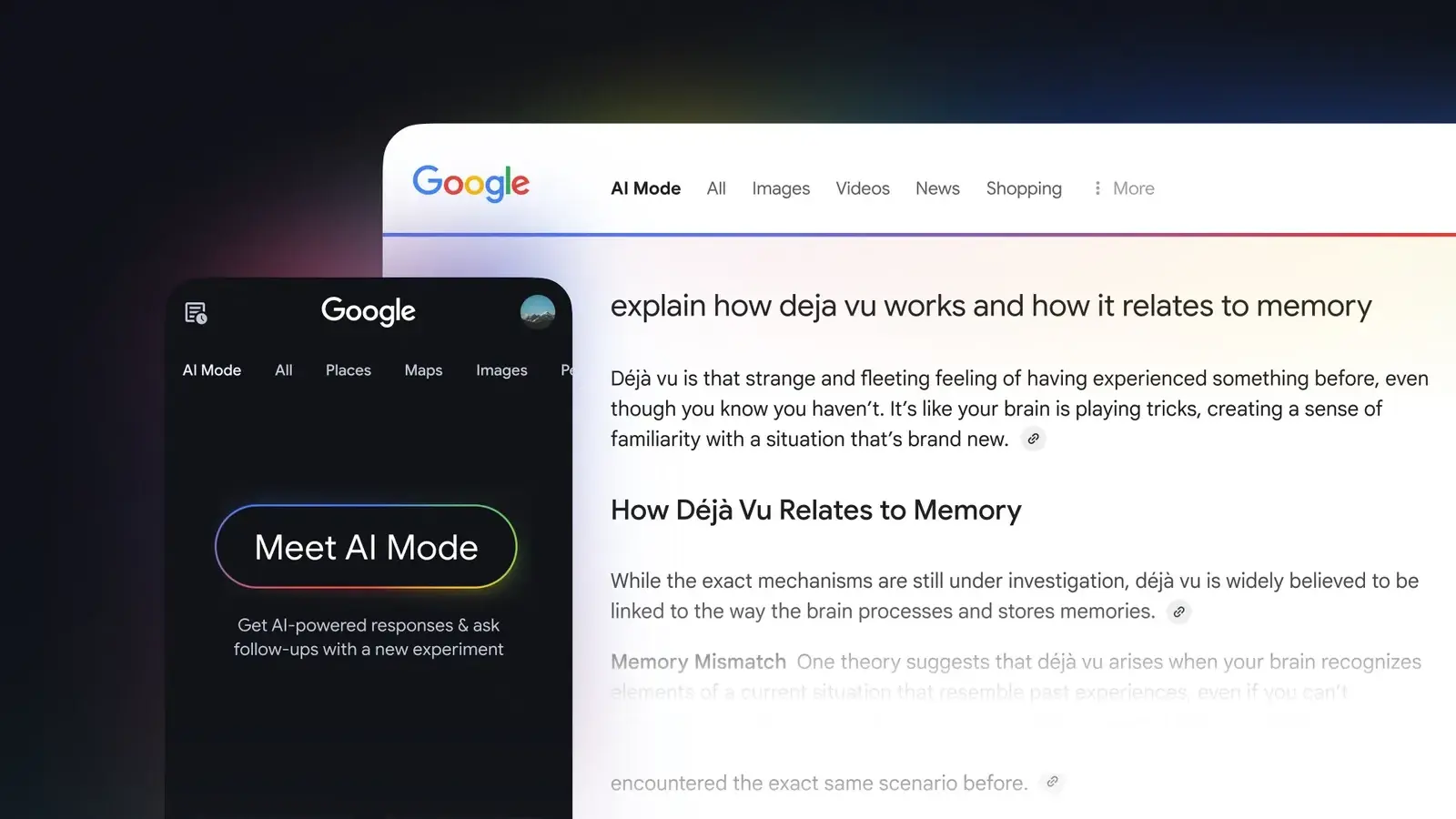
Personalized AI answers are no longer held back for subscribers. According to a plan Google had published earlier, Personal Intelligence is being extended toward nearly 200 countries and territories and 98 languages, and free users can now reach the related functionality. The reporting window sits around October 28, 2026. In other words, the company did not keep its more individual AI search capability inside premium tiers; it folded it into the free service. This briefing separates what actually changes, what remains paywalled, and which data boundaries deserve attention before any personal app is connected.
Key data points behind the expansion
The scale of the rollout is the headline; the pricing position is the more consequential detail.
- Reported rollout window: around October 28, 2026.
- Geographic target: nearly 200 countries and territories for Personal Intelligence.
- Language coverage: 98 languages in the same push.
- Pricing position: personalized AI search capability opened to free users, not reserved for subscriptions.
- Apps named for optional connection: Gmail and Google Photos, linked to AI Mode.
- Training inputs described by Google: specific prompts and model responses, not entire inboxes or photo libraries.
- Paid tiers referenced: Google AI Pro and the Ultra plan.
How the personal layer gets its context
Personal Intelligence is the personalization capability Google built for its artificial intelligence products. After a user grants permission, Gmail and Google Photos can be connected to AI Mode, so the system answers with email, photos and other personal material in view. Sample requests described include product suggestions based on earlier purchases, and trip planning assembled from booking details that already sit in a mailbox.
The structural shift is in the information source. Instead of relying only on public web pages, AI can draw on a person's own material to supply missing context, provided the authorization is explicit. For accounts already embedded in Google's ecosystem, that moves search from a generic retrieval utility toward an assistant that reasons about individual circumstances.
Where the data boundaries sit
Google states that users choose whether to connect the relevant applications and can turn the connection off at any moment. The company also emphasizes that Gemini and AI Mode do not train models directly on a user's complete Gmail inbox or Google Photos library; instead, limited information such as specific prompts and model responses may be used to improve the service. Even so, the permission surface needs reading: which Google services could obtain related access, and what linking personal apps actually exposes.
Free access and paid tiers, side by side
The expansion arrives while Google redraws the boundary between free and paid across its AI products. Model access inside the Gemini app has recently been adjusted: the range available without payment is narrower, while stronger models and some advanced reasoning functions require Google AI Pro or the Ultra plan. Tightening some model access while widening free AI search reads as a contradiction only at first glance.
| Dimension | Free layer | Paid layer |
|---|---|---|
| Model access | Narrower selection of models in the Gemini app | Stronger models and certain advanced reasoning features |
| Personalized search | Personal Intelligence extended into free AI search | Higher usage allowances and professional tools |
| Strategic role | Keep users inside the search ecosystem | Deliver additional value that justifies subscribing |
| Revenue route | Advertising and similar channels, not solely subscription fees | Recurring subscription revenue |
Read together, the two tracks are complementary: basic AI search and personal intelligence act as the acquisition layer, while capability, quotas and professional tooling carry the paid proposition. AI Mode can also generate revenue through advertising rather than depending entirely on subscription income.
Interface changes keep the open web in the loop
Google has continued reworking the AI search interface, adding direct links inside answers, entry points to official pages, carousels of news articles and different presentations of related reporting. The stated goal is that after an AI-generated answer, users can still reach the original page, see where information came from, and keep exploring.
Those edits address two pressures at once. Users want AI to grasp a question quickly and return a synthesized answer; search still needs to function as a connector for websites, content creators and the advertising business. By increasing source links and news entry points, Google wants AI search to remain a discovery layer rather than a closed answer box.
Costs and the balance Google has to strike
Free does not mean costless. Running large artificial intelligence models demands substantial compute, and complex reasoning, multi-turn dialogue and retrieval over personal data can raise infrastructure spending. Google therefore has to balance free user scale, usage limits, advertising revenue and paid subscriptions if these features are to run long term.
Commercially, opening AI Mode also widens the audience. Traditional search advertising displays relevant ads after a keyword is typed, while AI search can follow more complex needs and keep supplying information across turns. As users grow accustomed to asking in natural language, Google gains room to test new ad formats and to surface product or service information shaped by conversational context.
Checklist: verify these before connecting personal apps
- Decide app by app whether Gmail or Google Photos should be linked to AI Mode; connection is optional.
- Note that the connection can be disabled at any time.
- Review which Google services could obtain related access once a link is enabled.
- Assume specific prompts and model responses may be used to improve the service, even though full inboxes and photo libraries are not used for model training.
- Expect uneven availability: region, language, account type and staged rollout arrangements can all gate the features.
- Treat two separate decisions: free personalized search versus paid access to stronger models.
FAQ
Is personalized AI search now free for everyone?
Not automatically. Personal Intelligence is being extended to free users across nearly 200 countries and territories and 98 languages, but an account still needs to meet the relevant conditions and the user must actively authorize connecting personal applications.
Does Google train Gemini on my whole inbox?
No, according to the company's description: Gemini and AI Mode do not use an entire Gmail inbox or Google Photos library to train models, though specific prompts and model answers may be used as limited improvement inputs.
Why restrict some Gemini models while giving AI search away for free?
The two moves serve different purposes. Restricting stronger models and advanced reasoning pushes high-intensity users toward Google AI Pro or the Ultra plan, while free AI search and personal intelligence keep a broad audience inside the search ecosystem.
Why is Google adding source links back into AI answers?
To preserve search's connecting role. More direct links, official page entries, news carousels and related reporting displays let users verify origins and continue reading, keeping websites and content creators in the loop.
What remains genuinely open?
How far free coverage extends, how convenient personal data connections prove to be, and whether advertising can monetize AI search without damaging the search experience.
What this means for the next phase
The pattern emerging is a more granular commercial design: baseline search and part of the personalization layer stay open, the most capable models and heavier usage migrate to subscriptions, and advertising is explored as a third revenue leg. For the industry, the significance is less about a single feature than about where the line between free and paid is being drawn, and how much personal context a general-purpose search product is permitted to absorb. The rollout pace, the clarity of permission settings and the monetization trade-off are the variables that will decide whether this configuration holds.