
AIdataNewsGlobal General Briefing: Latvia and Slovakia Approve Tesla FSD as Reuters Test Flags L2 Limits
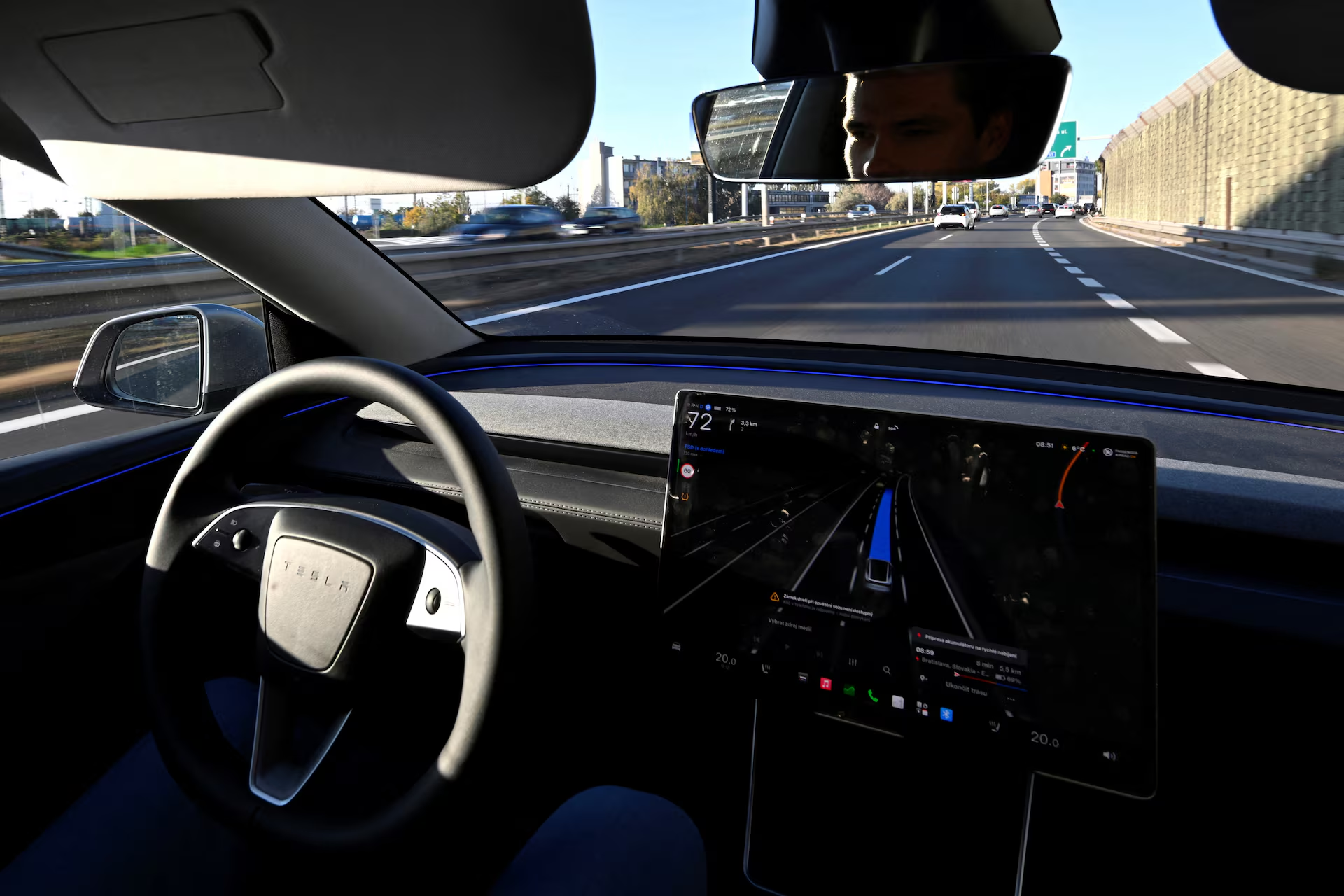
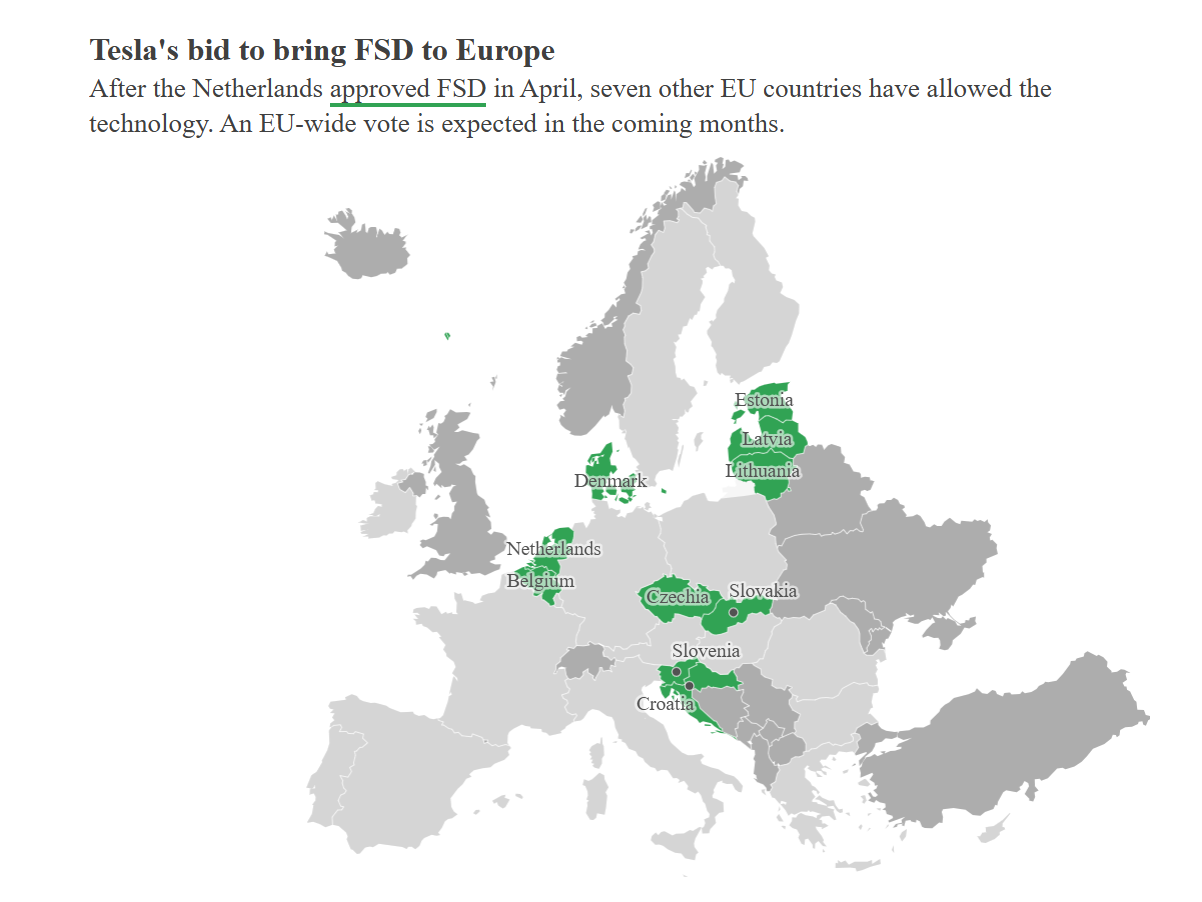
A Reuters report dated October 27 placed two new approvals for Tesla FSD at the center of the company's European rollout story. Latvia became the 10th country in Europe to clear the driver-assistance software, while Slovakia approved it earlier this month. For owners, the decisions mark progress after advocacy; for regulators, test drivers and safety researchers, they reopen the same question: what does Tesla Assisted Driving, or TAD, require from a human driver when real-world situations get awkward.
Approval route: from Dutch type approval to L2 obligations
Reuters reported that on Monday Latvia approved Tesla's driver-assistance software, making it the 10th European approval. Latvia's transport ministry explained that the temporary EU type approval issued by the Netherlands Vehicle Authority had been recognized by the country's road-safety authority. Tesla Europe said the feature had been approved in Latvia and that the software rollout would begin soon, but it did not give a specific date.
The same report said Slovakia had approved the technology earlier this month. The naming is also part of the rollout: Tesla has changed the European label from Full Self-Driving (Supervised), or FSD (Supervised), to Tesla Assisted Driving, abbreviated TAD. The two country-level decisions are the latest steps in Tesla's effort to gain a broader path in the European Union, where the company is waiting for a key vote that could open the door to wider deployment.
Key data citations
| Item | Reported value or status | Context |
|---|---|---|
| Reuters report date | October 27 | Latvia and Slovakia approvals |
| Latvia approval day | Monday | 10th country in Europe |
| Slovakia approval timing | Earlier this month | Same driver-assistance software |
| Subscription price | €99 per month, about $110.92 | Reuters test ride reference |
| Regulatory class | L2 | Latvia transport ministry description |
| Slovakia owners club | 1,500 registered members | Advocacy described by Igor Marcek and Kristian Kratochvil |
| Tesla claim | Collision avoidance improved by more than four times | Disputed by safety researchers |
Approval and accountability checklist
- Tesla FSD, now called Tesla Assisted Driving (TAD) in Europe, received approvals in Latvia and Slovakia, Reuters said.
- Latvia's transport ministry accepted the Netherlands Vehicle Authority's temporary EU type approval through the road-safety authority.
- Latvia became the 10th country in Europe to approve it on Monday; Slovakia approved it earlier this month.
- Tesla Europe said software rollout would start soon, but no date was announced.
- The system is classified as L2, so the driver must monitor traffic, be ready to take over and bear responsibility for violations or accidents.
Owner hopes and the Reuters test ride
Igor Marcek, a 35-year-old in Bratislava, bought a Tesla two years ago in Slovakia. He works in financial agency and life-planning guidance. He told Reuters that Slovakia's approval of TAD increased his interest in the technology. He hopes a car will someday be able to drive itself, saving time and energy while allowing people to handle other things during a trip.
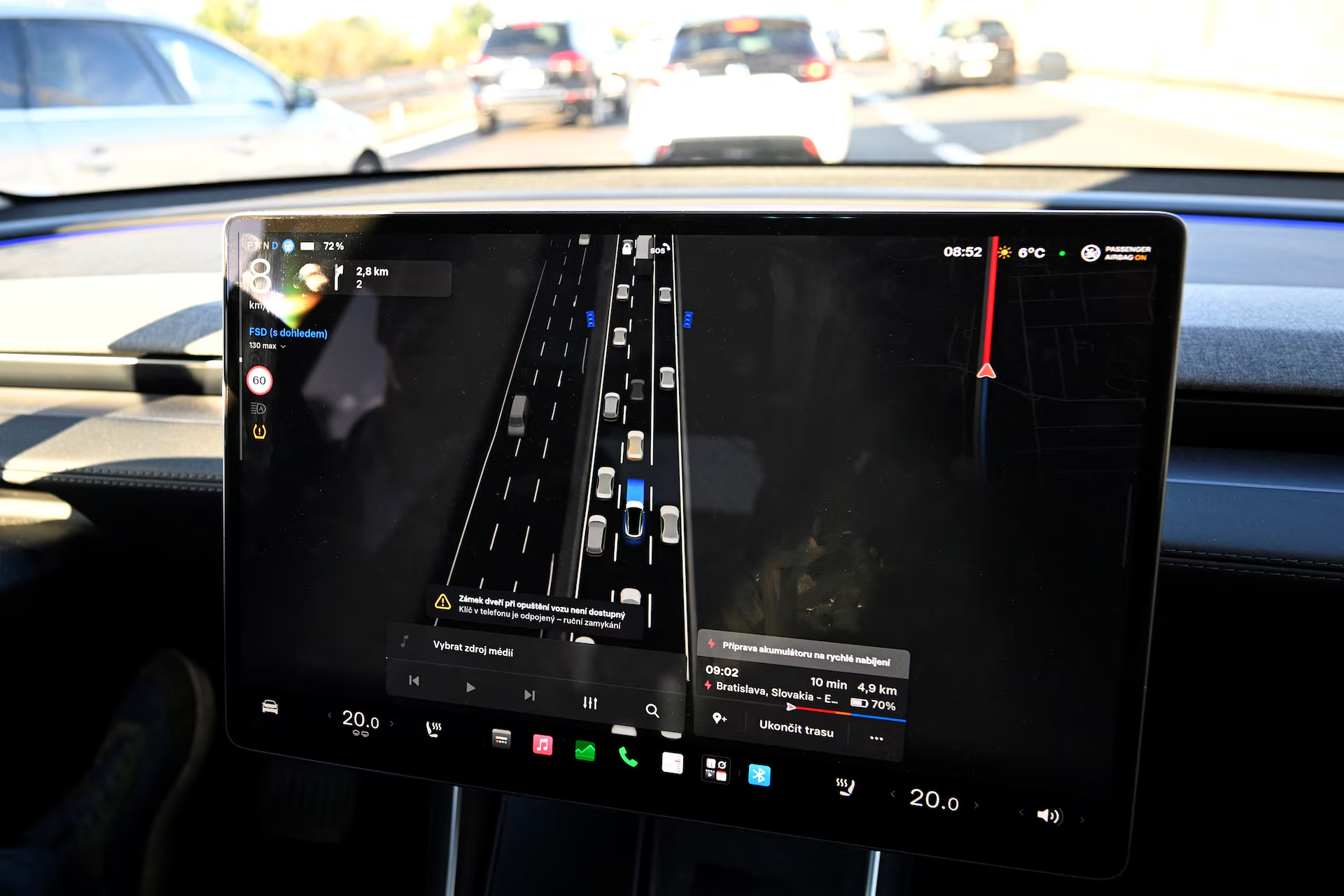
Reuters also rode a Tesla equipped with TAD. The subscription price is €99 per month, or about $110.92. The test found that the software handled congested highway driving and merging into traffic smoothly. But it recorded two moments that required human action.
- When the vehicle approached a closed barrier gate, it did not slow down, and Marcek braked hard.
- At a Tesla Supercharger, the vehicle failed to enter an empty charging bay, and Marcek again took over.
“This technology is still evolving, so you must stay alert and watch what the car is doing,” Marcek said.
That warning matches the regulatory description. Latvia's transport ministry said TAD is an L2 driver-assistance system. During use, the driver must continuously pay attention to traffic conditions, be ready to take control at any moment, and remain responsible for traffic violations or the consequences of accidents.
Advocacy, resistance and disputed performance claims
Reuters reported that Tesla enthusiasts across Europe have urged faster deployment, while Tesla and Elon Musk have often encouraged owners to raise the issue with local authorities. In Slovakia, the advocacy included a Tesla owners club with 1,500 registered members. The club organized a vehicle light show outside the Slovakia transport ministry to attract regulatory attention, according to Marcek.
Kristian Kratochvil, the club chair, said the group contacted the Slovakia transport ministry after the Netherlands took the lead in approving the software, and the club regularly asked about the approval status.
Tesla argues that TAD can improve collision-avoidance ability by more than four times and save lives. Reuters noted, however, that safety researchers dispute those figures. The broader picture is still tense: in the European Union, regulatory resistance has increased, and some national regulators have questioned whether drivers can keep enough attention on the road while using the system.
Stakeholder positions in brief
| Party | Position or action | Reported detail |
|---|---|---|
| Latvia transport ministry | Explained the approval route and driver responsibility | Accepted Dutch temporary EU type approval; described TAD as L2 |
| Tesla Europe | Confirmed Latvia approval | Rollout soon, no specific date |
| Reuters | Conducted the test ride and reported safety issues | Interventions at a closed barrier gate and a Tesla Supercharger |
| Tesla owners club | Pushed for approval in Slovakia | 1,500 registered members; light show and ministry contacts |
| Elon Musk and Tesla | Encouraged owner advocacy | Reported by Reuters |
| Safety researchers and EU regulators | Challenged safety claims and driver attention | Data disputed; concerns remain |
FAQ: What the approvals do not settle
Does TAD mean the car is autonomous?
No. The reported classification is L2. The driver must monitor traffic, be ready to take over and remain responsible for legal and accident outcomes.
Why did approved markets still have a test-ride warning?
Reuters recorded that the car did not slow for a closed barrier gate and failed to enter an empty charging bay at a Tesla Supercharger, requiring driver intervention in both cases.
What did Tesla claim, and what did researchers object to?
Tesla said collision avoidance can improve by more than four times and can save lives. Reuters reported that safety researchers dispute the claim.
How much does it cost?
Reuters cited a subscription price of €99 per month, about $110.92.
What should readers watch next?
The first rollout date after Tesla Europe's soon statement, the pending European Union vote, and whether regulators' driver-attention concerns are addressed in practice.
For now, the clearest takeaway is not that Latvia and Slovakia ended the debate. The reported approvals extend Tesla FSD's European reach, but the L2 framing, the Reuters interventions and the disputed collision-avoidance data keep the safety question at the center of the story.