
AIdataNewsGlobal General: SK Hynix Sees HBM Demand Staying Strong Until 2030
By David Nakamura | AI & Data News
Memory suppliers are no longer being judged only by bit shipments; they are being judged by how much of their output can be placed into AI accelerators, server platforms, and data-center racks. From that vantage point, the most important signal in the latest SK Hynix outlook is simple: HBM demand is expected to remain strong through the period leading up to 2030, while the industry’s ability to expand capacity remains constrained by process complexity, packaging equipment, construction cycles, and workforce readiness.
Why HBM Has Become the Choke Point
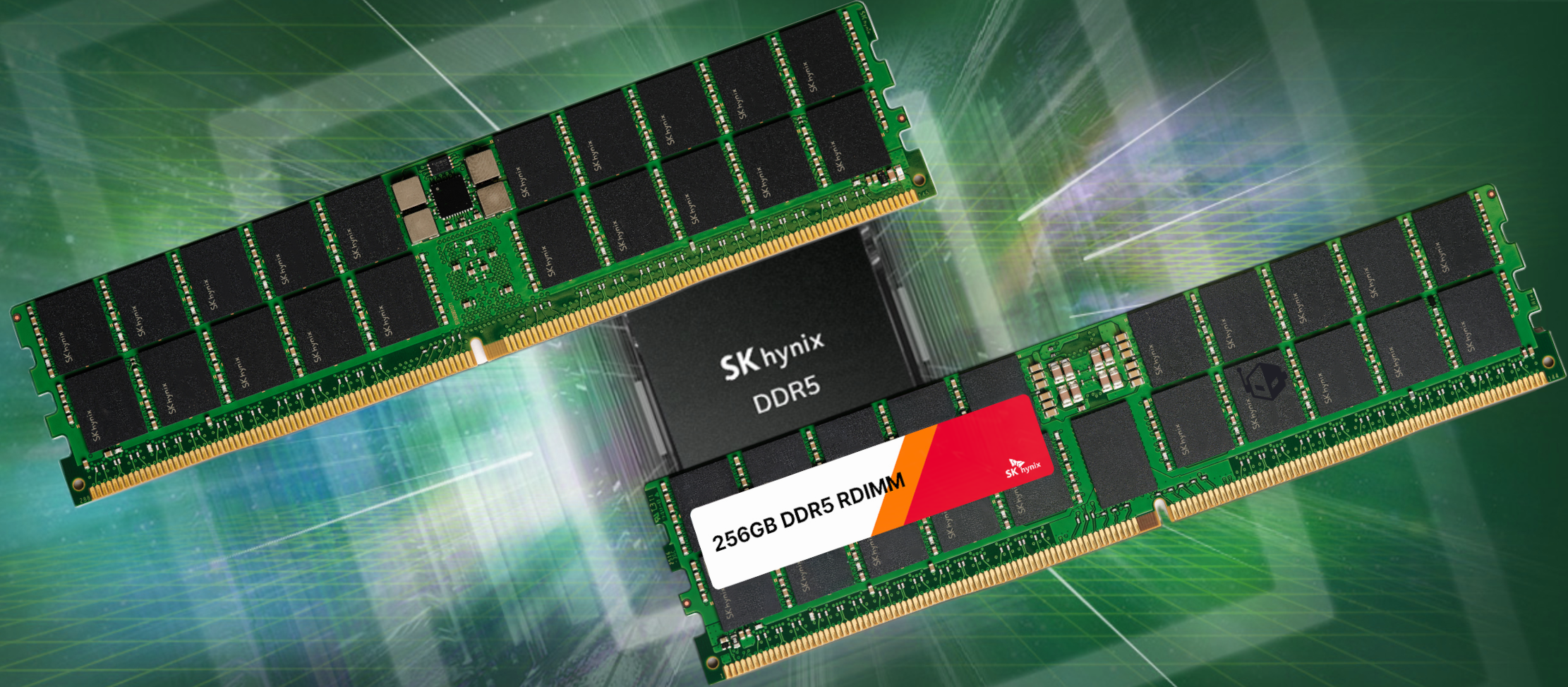
Generative AI, large language models, and the construction of AI data centers have shifted demand toward memory that can feed accelerator chips quickly enough. HBM is such memory. It is not a standard commodity module; it sits close to the processor and is integrated through advanced packaging. That architecture makes it valuable for high-bandwidth workloads, but it also makes scaling difficult. The SK Hynix message to the market is that even planned fab and packaging expansion will not remove tightness quickly.
Key Facts to Track
- SK Hynix expects HBM demand to keep expanding, with the AI infrastructure build-out projected to remain fast up to 2030.
- Capacity growth is limited by manufacturing process requirements, packaging tooling, construction timelines, and the availability of trained personnel.
- Cloud providers, large technology companies, and sovereign AI projects are increasing spending on high-performance computing platforms.
- These platforms require more HBM and high-end DRAM than conventional servers, raising the effective pressure on supplier allocations.
- GPU and AI accelerator designs are moving through HBM3, HBM3E, HBM4, and later products, with the HBM capacity attached to each chip rising as models become larger.
- SK Hynix remains a leading HBM supplier and is described as an important partner for AI chip maker Nvidia.
Capacity Cannot Expand Like a Conventional Memory Line
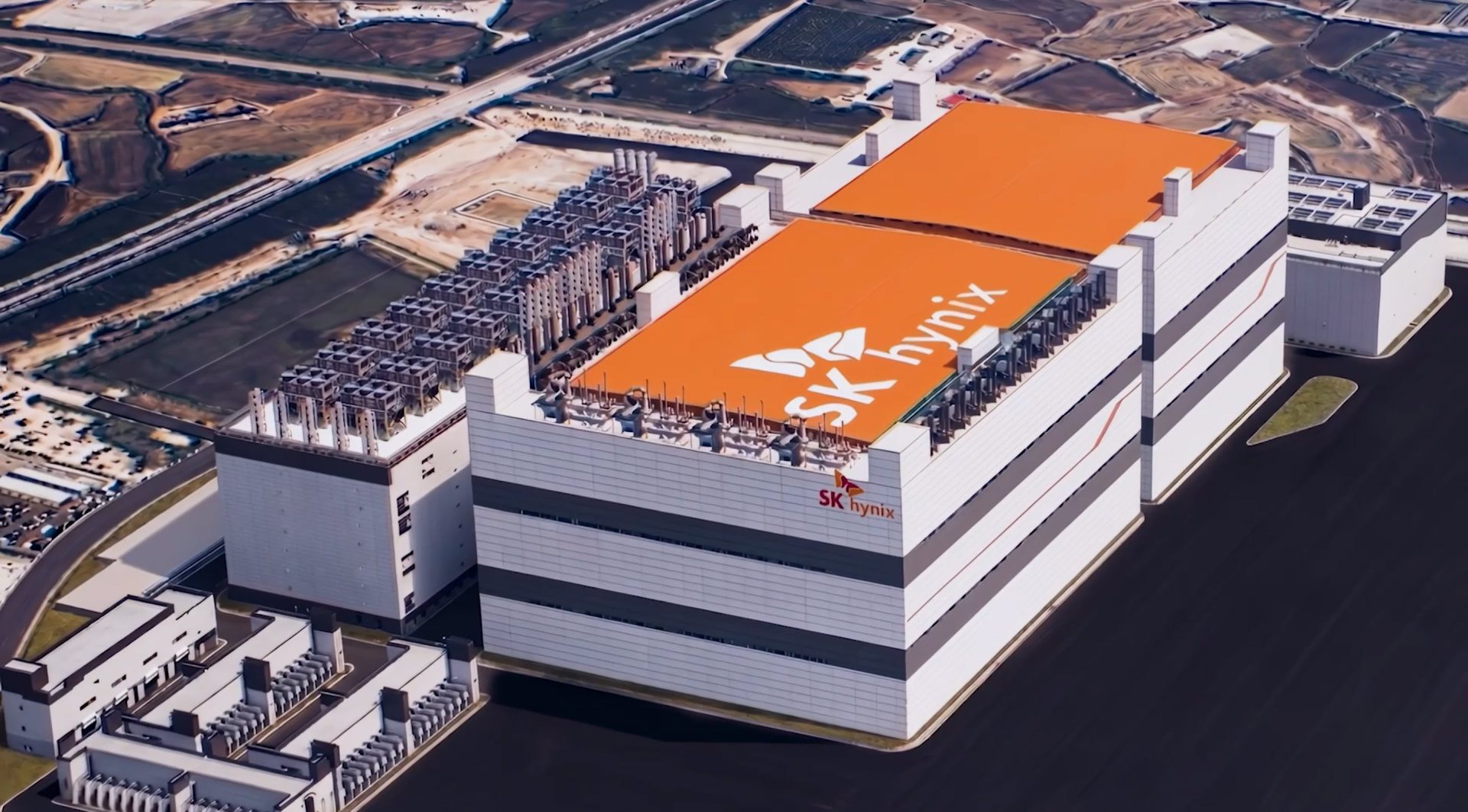
Traditional memory expansion is already long-cycle business. HBM adds extra layers: stacking, interconnection, packaging, testing, and co-design with accelerator vendors. SK Hynix says new facilities and advanced packaging capabilities are being pursued, but industry-wide supply cannot respond instantly. The company’s caution matters because demand is not only growing in volume; it is changing in form. Each successive accelerator generation pulls memory content upward.
The 2030 AI Infrastructure View
The outlook treats 2030 not as an endpoint, but as a marker for the current infrastructure investment wave. Enterprise clouds, public-sector AI programs, and frontier model builders are competing for the same high-performance hardware stacks. If AI infrastructure continues expanding at a rapid pace, HBM and advanced DRAM remain central inputs. That makes memory capacity a strategic constraint, not a purely cyclical pricing issue.
Data References
The following points are the core data anchors used in this General desk summary:
- Demand direction: HBM demand expected to remain strong through 2030.
- Supply friction: equipment, process, construction, packaging, and talent limit near-term capacity release.
- Technical driver: larger models and more capable accelerators raise HBM content per chip.
- Market position: SK Hynix is a leading HBM supplier connected to Nvidia’s AI platform demand.
- Application pressure: AI data centers, cloud services, and sovereign AI programs require more than ordinary server configurations.
FAQ: What This HBM Outlook Means for General Readers
Is this a shortage warning?
It is closer to a persistent tightness warning than a one-quarter shortage alert. The company does not deny expansion; it emphasizes that expansion is slow relative to demand growth.
Why does 2030 matter if product cycles change faster?
2030 is used as an infrastructure planning horizon. Even if individual GPU or memory generations change earlier, the capital investment and supply chain commitments behind AI data centers are long-lived.
Does Nvidia appear here only as a customer?
No. In the original reporting, Nvidia is referenced as an AI chip vendor whose platforms help set the pace of accelerator and memory demand. The point is that advanced accelerators and memory are tied together.
What should an enterprise reader watch?
Watch whether new HBM and advanced DRAM capacity becomes available from SK Hynix and other suppliers, whether sovereign AI or cloud spending accelerates further, and whether HBM4 or later designs continue raising content per package.
How This Connects Model Demand to Supply Planning
The chain is direct: larger models require larger training and inference clusters; those clusters require accelerators; accelerators require high-performance memory; memory packaging requires specialized equipment and skilled teams. When each step has a long lead time, even visible capex does not translate quickly into deliverable capacity. This is why HBM remains a key supply chain variable for AI infrastructure.
Ending View
From the AIdataNewsGlobal General perspective, the most useful takeaway is not a single number but a supply-chain posture. SK Hynix’s comments suggest that memory makers, accelerator vendors, cloud operators, and public-sector builders will continue to negotiate around scarcity rather than abundance. Through 2030, HBM may remain less a component story and more a constraint on how fast AI infrastructure can be built.
Contact the editorial desk at editorial@aidatanews.com for corrections or follow-up questions.