
United States AI Data Centers Threaten 15 Years of Power-Sector Emission Gains | AIdataNewsGlobal General
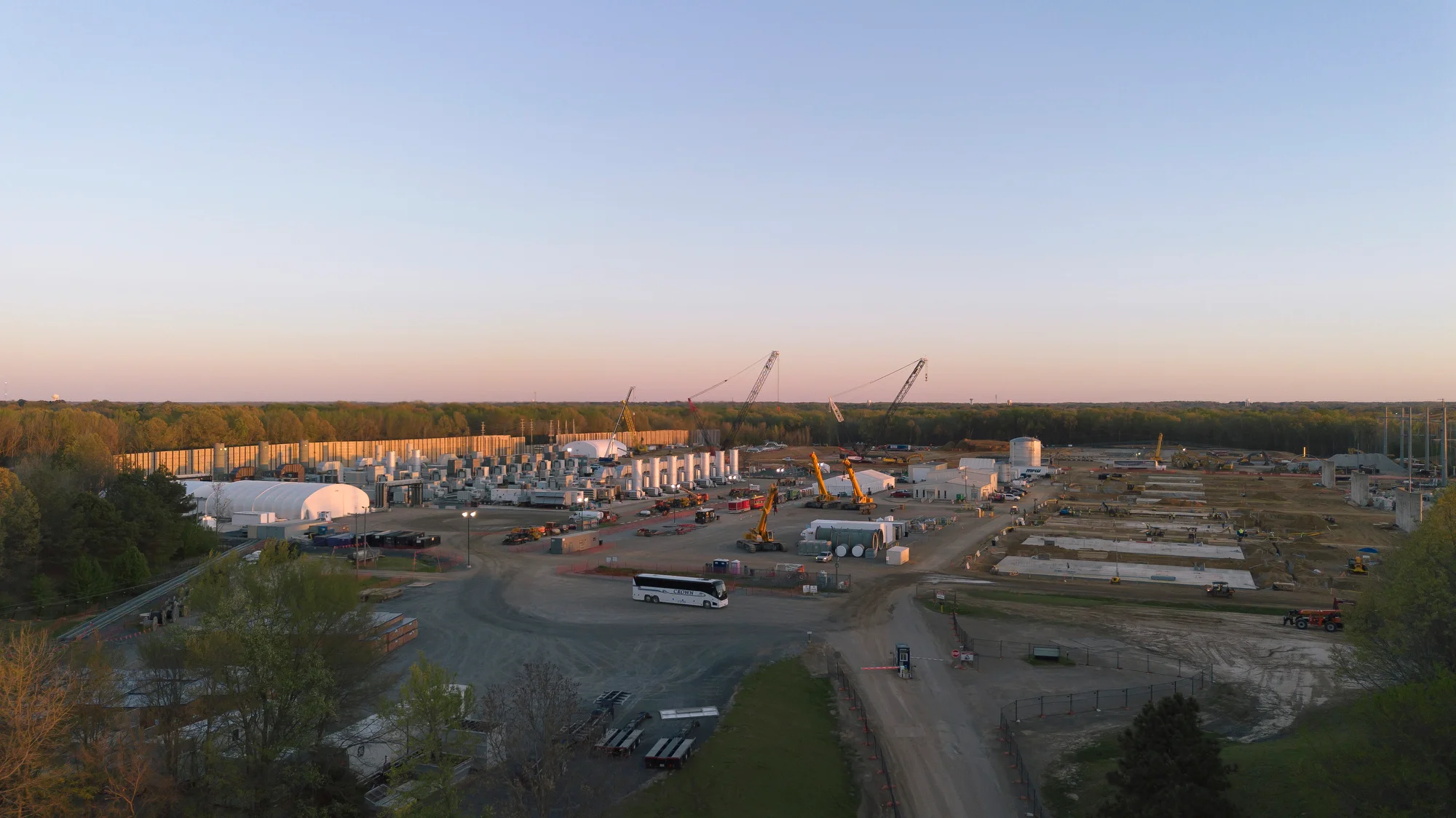
For global AI market watchers, the clearest signal from a new Sierra Club analysis is not simply that artificial intelligence will require more electricity. It is that the speed of AI deployment in the United States may outrun the clean-energy transition that has shaped the power system since the 2010s, putting roughly 15 years of emissions progress at risk by 2030. The analysis gives decision makers a concrete way to track that tension: a set of projected emissions figures, a measurement gap created by behind-the-meter generation, and a policy discussion that now sits directly inside the AI infrastructure conversation.
Key Data Points That Define the Debate
The projection can be read as a compact table rather than a broad environmental narrative. The central data citation is that carbon dioxide emissions from the United States electricity sector could climb to about 2.1 billion tons by 2030, a level about 42% higher than 2025. That increase is what makes the climate stakes measurable: it is large enough to reverse reductions accumulated over the preceding 15 years, even as AI demand continues to grow.
| Indicator | Figure | Why it matters |
|---|---|---|
| 2030 United States electricity-sector CO2 emissions | about 2.1 billion tons | Could be about 42% higher than 2025, reversing gains made since the 2010s |
| Behind-the-meter generation from data-center developers | more than 460 million tons per year | Comparable to the emissions of Mexico over one year, but the comparison covers off-grid facilities only |
| Grid-connected data-center projects | about 154 million tons | Represents an additional increase of about 10% above the baseline |
Why AI Buildout Changes the Energy Equation
The underlying driver is the rapid expansion of AI infrastructure. Training and running large language models, expanding inference services, and spreading cloud-based AI applications all raise electricity demand at a pace that clean-energy deployment and grid upgrades have not matched. The result is a mismatch between digital project timelines and conventional power-planning cycles, and that mismatch is now becoming visible in emissions projections.
Behind-the-Meter Generation Creates a Measurement Gap
One of the more distinctive findings is the growth of what is commonly called behind-the-meter generation. When technology companies cannot secure timely interconnection to the public grid, some are choosing to build or arrange their own power resources instead of waiting for network capacity. These behind-the-meter projects often rely on natural gas, and their emissions may not be fully captured in ordinary grid-emissions accounting.
By 2030, off-grid power equipment built or operated by data-center developers could emit more than 460 million tons of carbon dioxide each year. The comparison provided in the analysis is notable: that annual figure is close to the total national emissions of Mexico over one year. The comparison applies to this newly off-grid generation, not to all data-center activity, so it should be read as a specific accounting warning rather than a blanket claim about the whole sector.
Grid Connection Delays Push Projects Toward Gas Turbines
Waiting periods for grid access are a practical reason behind this shift. Large AI campuses may face multi-year queues, while developers are pressed to bring computing capacity online quickly. To keep construction schedules intact, they may install fast-deploying generation such as gas turbines directly at the facility. That reduces dependence on uncertain interconnection timelines, but it also embeds fossil-fuel use into the AI expansion story.
Connected Data Centers Still Add to Emissions
Even when a facility is supplied through the public grid, the emissions effect remains material. The analysis estimates that grid-connected data-center projects could add about 154 million tons of carbon dioxide emissions, equivalent to raising emissions by about 10% above the baseline. In other words, the pressure is not limited to self-powered, off-grid campuses; ordinary grid-tied AI facilities are also shaping the outlook.
Three Pressure Points Readers Can Watch
For analysts, enterprise decision makers, and data-product teams, the situation can be broken into three linked pressure points rather than a single environmental headline.
- Demand speed: AI model training, inference, and cloud services can scale faster than electricity networks can plan, connect, and upgrade.
- Measurement visibility: Behind-the-meter generation may shift emissions outside the familiar public-grid accounting frame, making the final impact harder to track.
- Policy timing: If permitting, renewable buildout, and interconnection queues remain slower than AI deployment, the projected increase becomes more likely.
What Policy Responses Are Being Discussed
The analysis identifies practical avenues for reducing the risk without treating the issue as purely an environmental dispute. The first is bringing more renewable projects to deployment, so clean supply can meet new load rather than being diluted by it. The second is shortening grid-access waiting time, which would reduce the incentive to bypass the public network with self-generated power. The third is creating stricter energy-support mechanisms for newly added demand, so that large facilities are not judged only by computing output but also by the quality and scale of the power resources behind that output.
FAQ: Questions Readers Are Likely to Ask
Is this a warning about every data center?
No. The analysis concentrates on emissions connected to AI-driven growth, especially projected 2030 increases tied to large facilities, off-grid generation, and grid-connected expansion. It also draws a line around the off-grid comparison by saying that the more-than-460-million-ton figure refers to specific self-supplied generation rather than all data-center activity.
Why does behind-the-meter power matter for public reporting?
It matters because such projects may not be directly included in public-grid emission statistics, even though they still consume fuel and emit carbon. As a result, a growing share of AI-related electricity demand could appear in company plans or site-level engineering decisions while remaining less visible in traditional grid reporting.
Does the Mexico comparison refer to all data centers?
No. The comparison is narrower. It uses the emissions of Mexico over one year to illustrate the scale of off-grid generating equipment that data-center developers may build or contract, not the full footprint of every data center in the United States.
What can reduce the projected increase?
The report points to three broad mechanisms: deploy more renewable capacity, reduce grid-connection queues, and apply stricter energy-support arrangements to new demand. Together, these paths aim to keep AI expansion from undoing the electricity-sector gains made since the 2010s.
Why should non-energy readers care?
Because AI infrastructure is no longer only a computing story. It is also a grid story, a corporate siting story, and a climate-reporting story. The projected 2030 numbers show that power supply, emissions accounting, and model deployment are now connected through a single timeline.
Conclusion
The takeaway for the United States AI ecosystem is simple but uncomfortable: computing demand and climate progress are now competing on the same clock. If the Sierra Club projection proves accurate, the country may enter 2030 with electricity-sector emissions rising again, undoing roughly 15 years of reduction progress. The next phase will therefore depend less on headline model releases and more on whether energy infrastructure, policy timelines, clean supply, and behind-the-meter oversight can move at the speed AI deployment is already setting.