
Which AI-First PR Platform Fits Your Workflow? An AIdataNewsGlobal AIApplications Q&A Guide to 13 Tools
By Cleo Howard · SaaS product lead · AI & Data News · editorial@aidatanews.com
Short answer: buy by workflow node, not by logo. Decide whether your bottleneck is monitoring scale, journalist targeting, outcome attribution, or visibility inside AI-generated answers, then pick the platform that owns that node — none of the thirteen below wins all four at once. The question needs re-answering because, over the past two years, AI has stopped being a feature in PR software and become the product layer itself.
Why are paid AI PR tools suddenly the default?
Because the budget line moved, not just the curiosity. Muck Rack's State of AI in PR 2026 report finds 75% of PR professionals now pay for at least one paid AI tool, up from 57% the previous year, while overall generative use sits essentially flat at 76%. The market is not debating whether to use AI; it is consolidating around paid, embedded tools. Research and Markets values global PR tools at US$13.8 billion in 2025, projected to reach US$30.1 billion by 2034, and AI-integrated platforms carry a growing share of that expansion. A separate Meltwater and We. Communications State of PR Report released January 14, 2026, based on more than 1,100 PR and communications professionals, reports over 90% of teams already run generative AI somewhere in their workflow.
The architectural consequence: when 76% can generate text, "AI writing" is no longer differentiation. Evaluation shifts to data grounding — who supplies the journalist graph, who indexes the mentions, and who verifies output before it reaches a reporter's inbox.
Where does AI actually sit inside the workflow?
Four load-bearing nodes, with uneven maturity:
- Targeting and pitching. AI ranks reporters by what they actually cover — the node with the strongest grounding data, since 88% of journalists immediately discard pitches that miss their beat, per Muck Rack's 2026 State of Journalism report.
- Monitoring and signal detection. AI compresses volume and reads emotion or risk inside mentions.
- Measurement. Attribution from coverage to traffic, leads, and pipeline.
- Answer-engine visibility. How a brand appears in outputs from ChatGPT, Gemini, Perplexity, and Claude.
The underbuilt node is autonomy: a Muck Rack report found only 12% of PR professionals who use AI currently run AI agents, and platforms are expected to push agent features past beta over the next 12 to 18 months. A Penn State Page Center study published in April 2026 lands on the same consensus from the governance side — practitioners treat AI as a productivity booster, not a substitute for expert review. Design the workflow with a named human on anything that ships externally.
Which platform owns which node?
Monitoring and brand intelligence
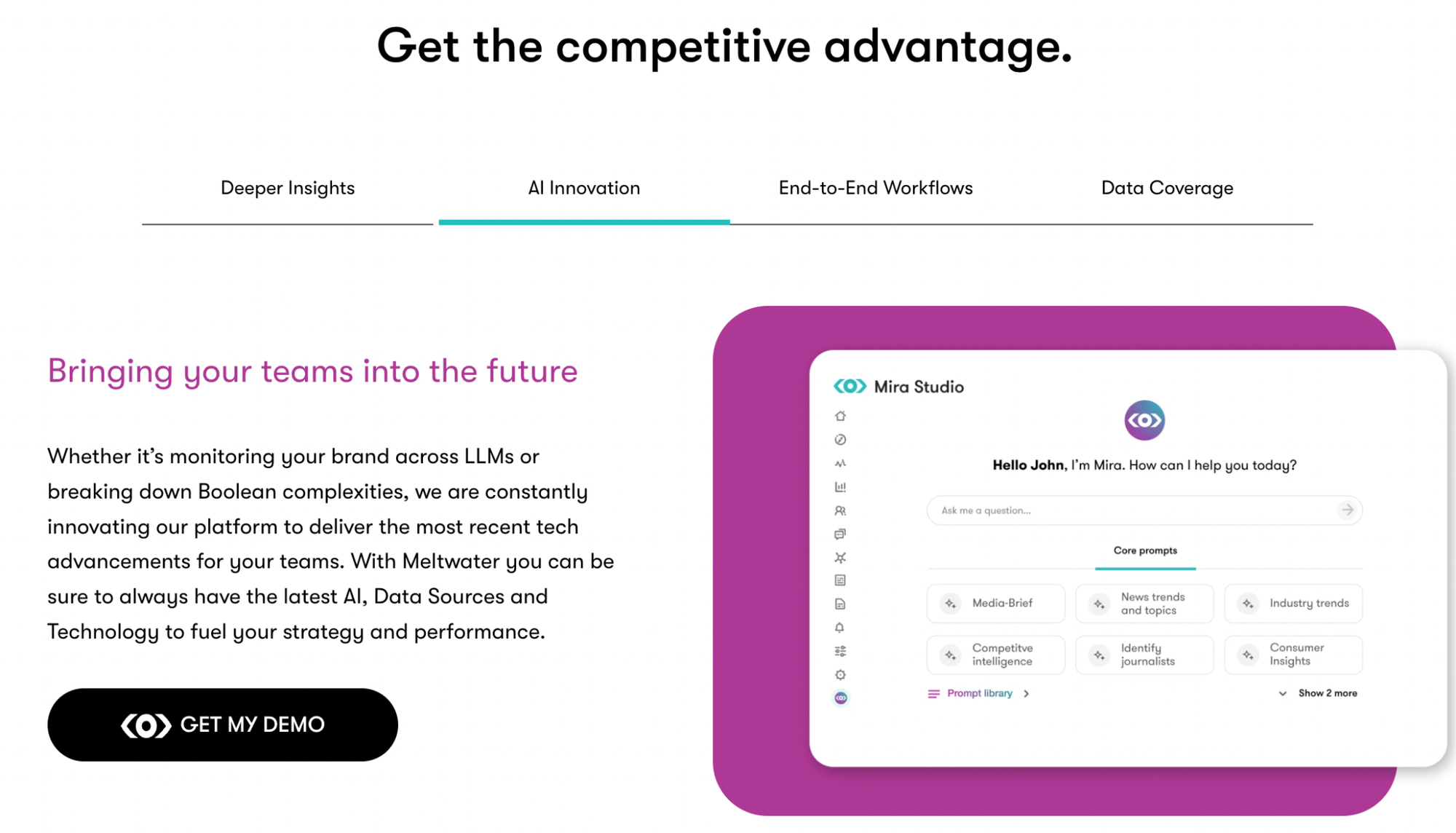 Meltwater is the scale play: over 1.3 billion documents daily from more than 270,000 global news sources and 15 social media channels. A late 2025 release added predictive analytics that estimate whether mention spikes will grow or fade, and its GenAI Lens tracks how brands appear inside ChatGPT, Gemini, and Perplexity answers. You accept enterprise packaging — depth you pay for even if you only need alerting.
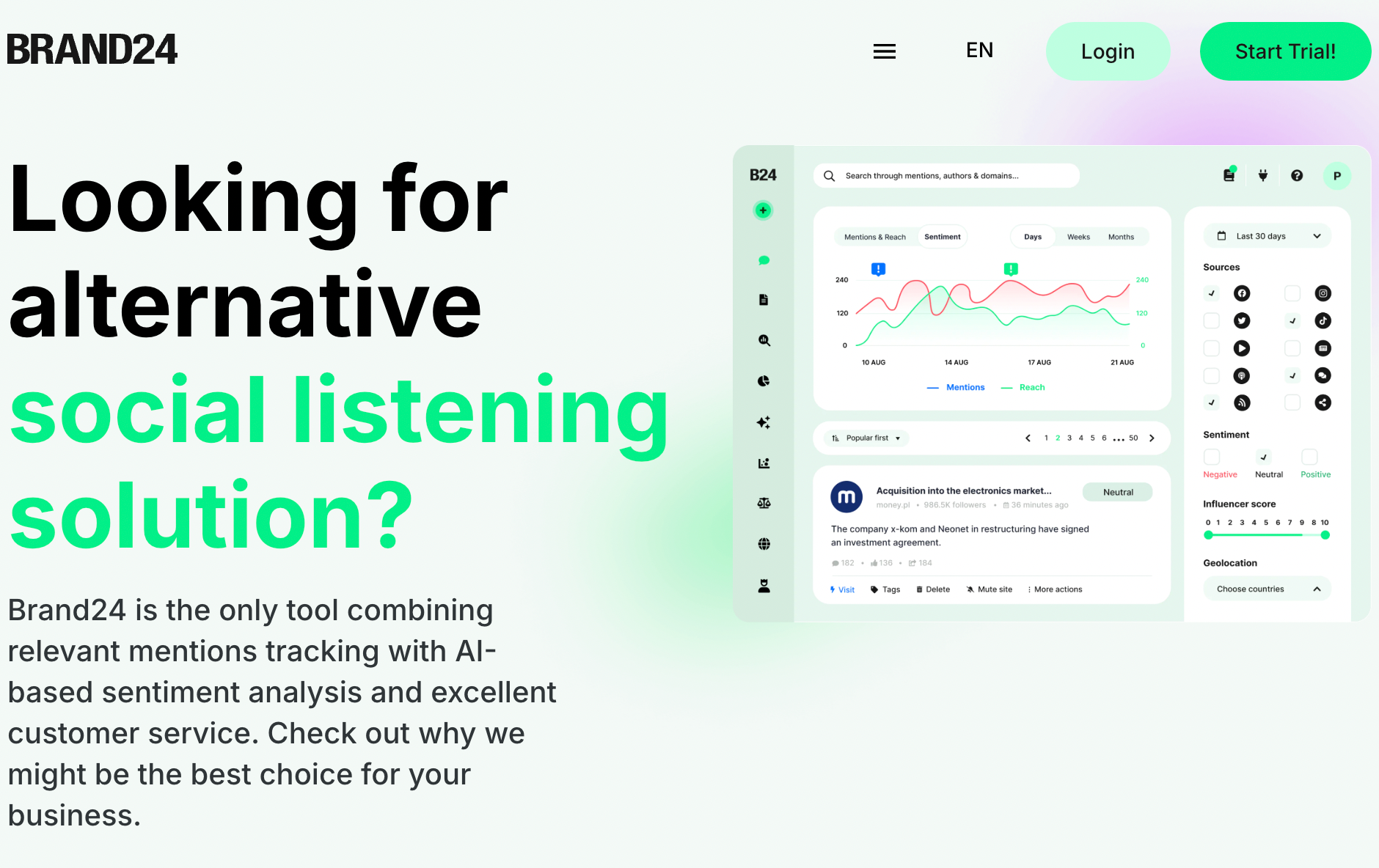 Brand24 is the lean counterpoint: real-time mentions with an NLP layer that distinguishes joy, frustration, or anger instead of a binary label, plus Brand Assistant, a ChatGPT-style interface on your own monitoring data so reporting becomes conversation rather than manual queries.
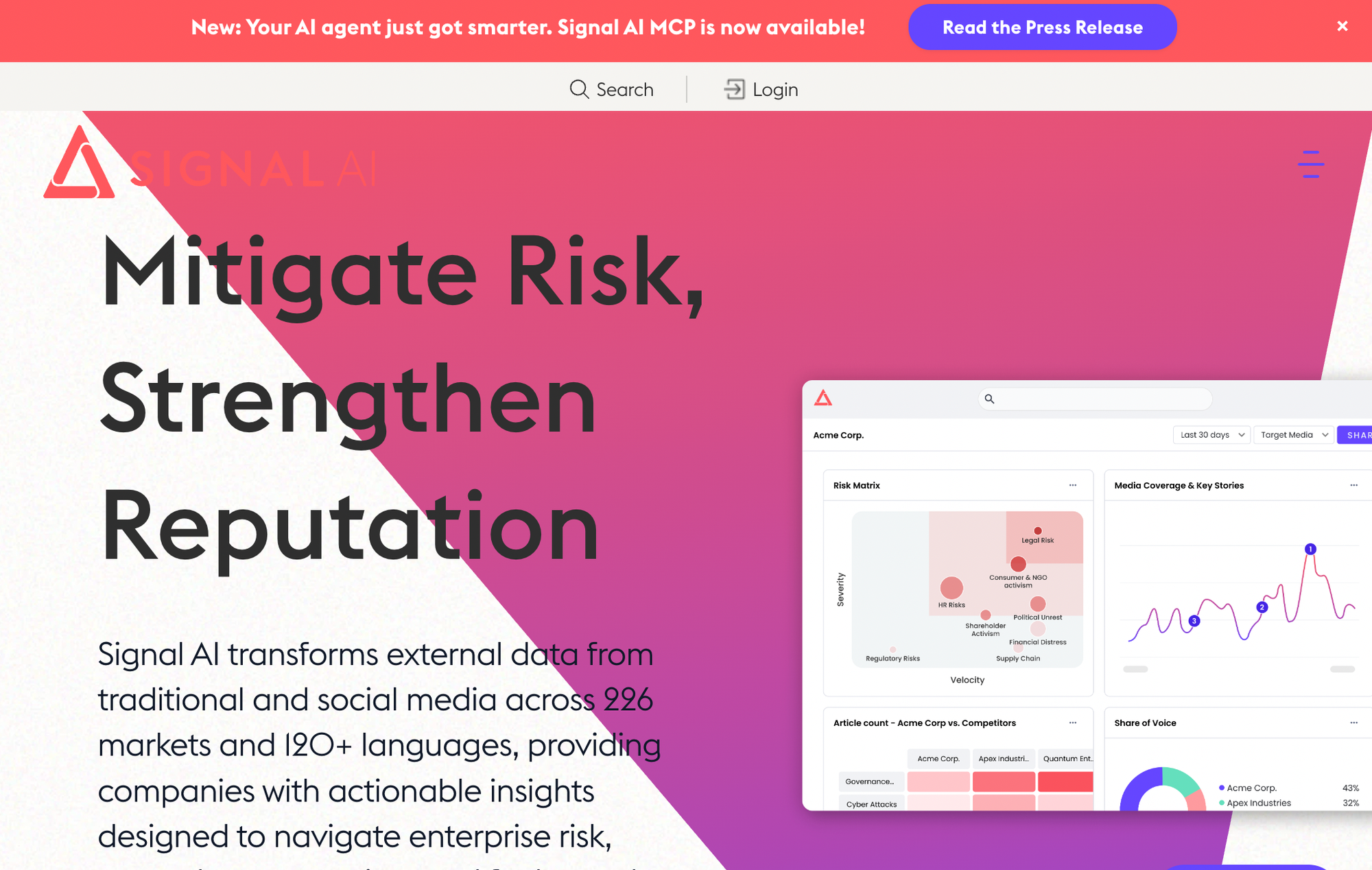 Signal AI optimizes for earlier warnings, processing news, regulatory filings, and social content to surface emerging risk — the reason financial-services and issues-management teams choose intelligence before the headline over tracking after it.
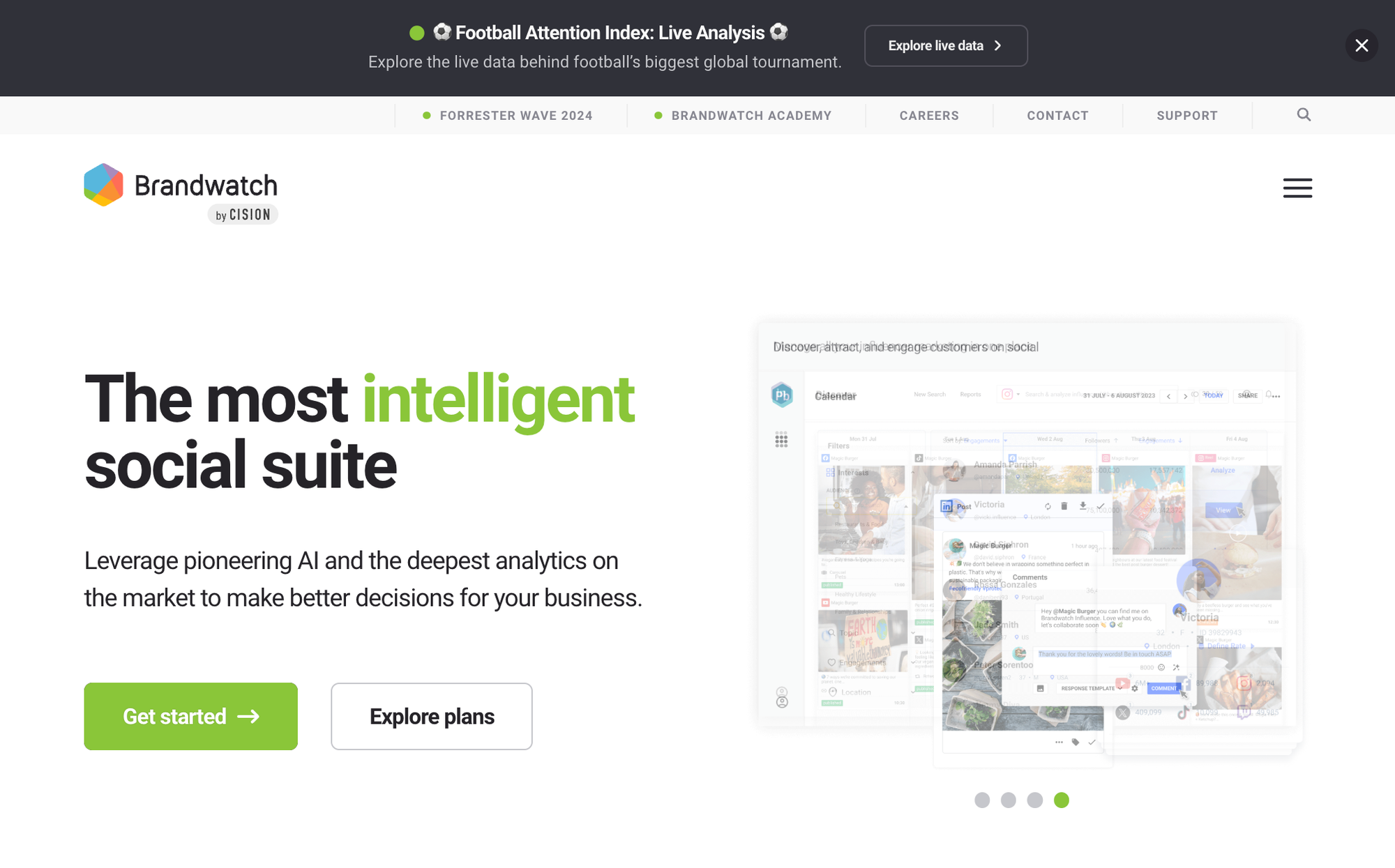 Brandwatch is social intelligence first, PR-adjacent by usage. It pays off when PR and social sit in one team; Hootsuite and Salesforce integrations carry sentiment research into CRM and campaign management.
Databases and outreach
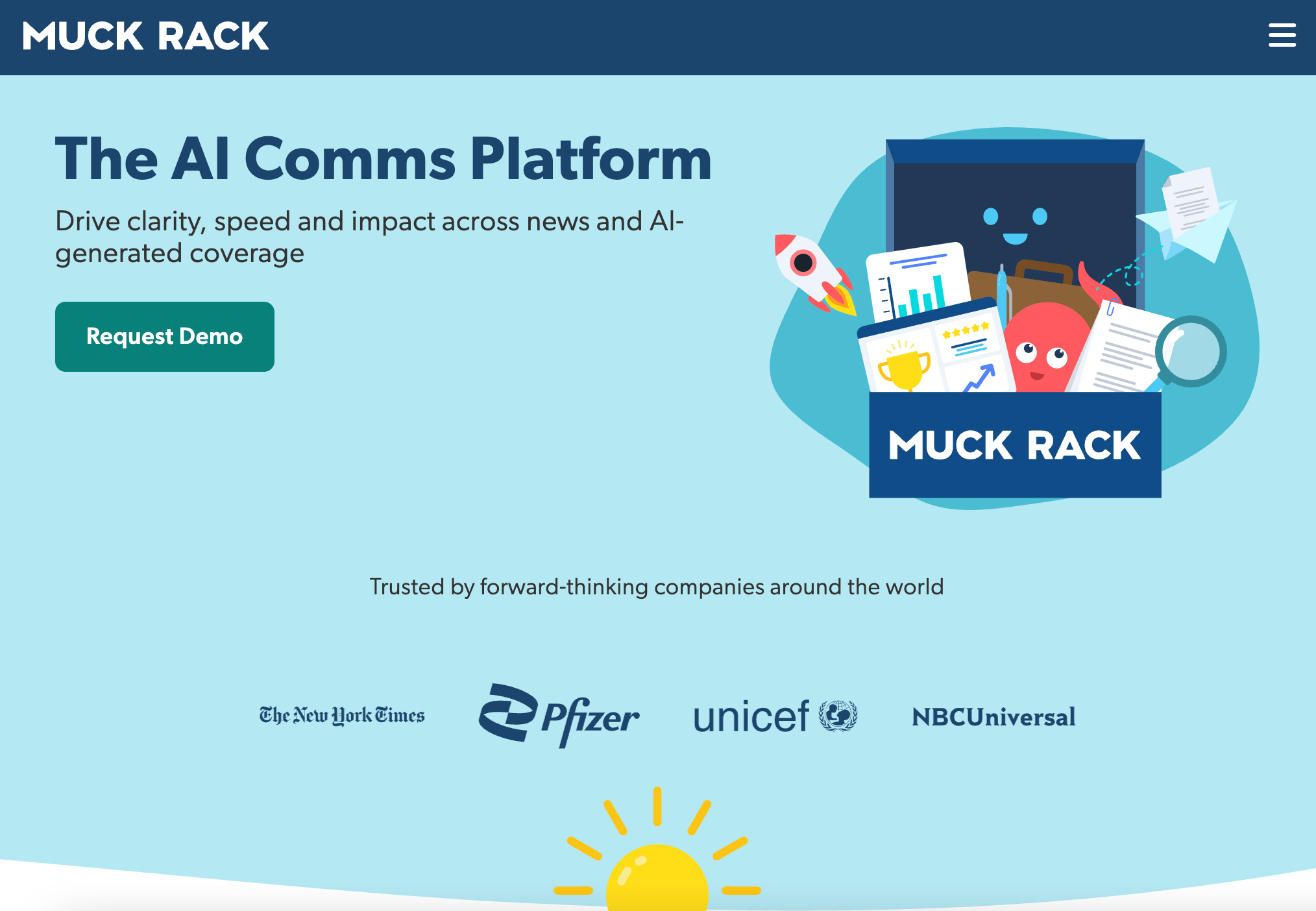 Muck Rack pairs relationship management with AI-assisted research: filter reporters by beat, publication, and recent coverage, refine pitches with guidance based on actual coverage rather than job titles, and keep multi-client relationship history in the CRM layer. Pricing starts around $10,000 per year.
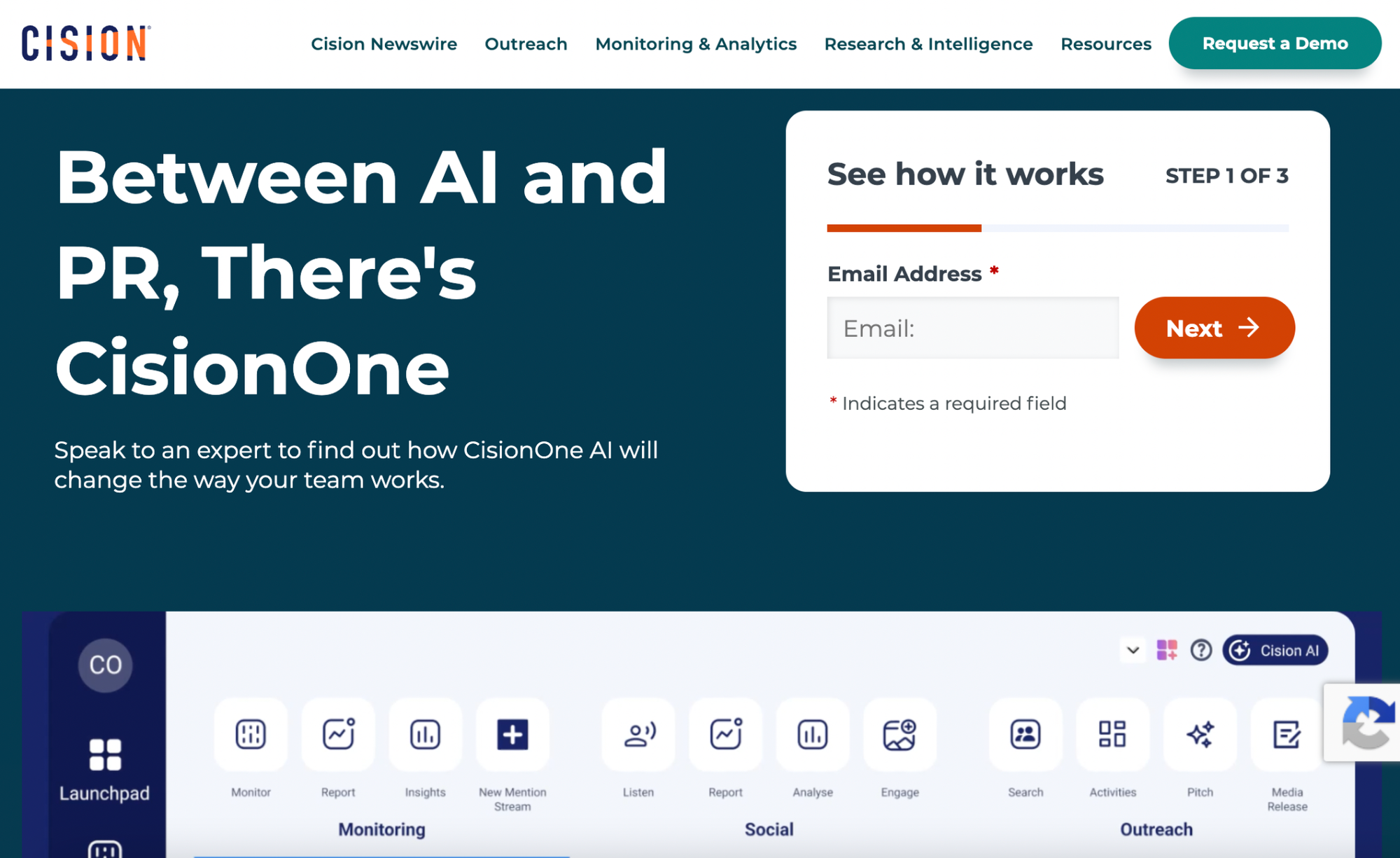 Cision is the volume option — one of the largest journalist databases, PR Newswire distribution built in, and 84% penetration among Fortune 500 organizations per the company. CisionOne adds AI-driven issue detection and sentiment analysis; the tradeoffs are between $10,000 and $15,000 annually and real onboarding time.
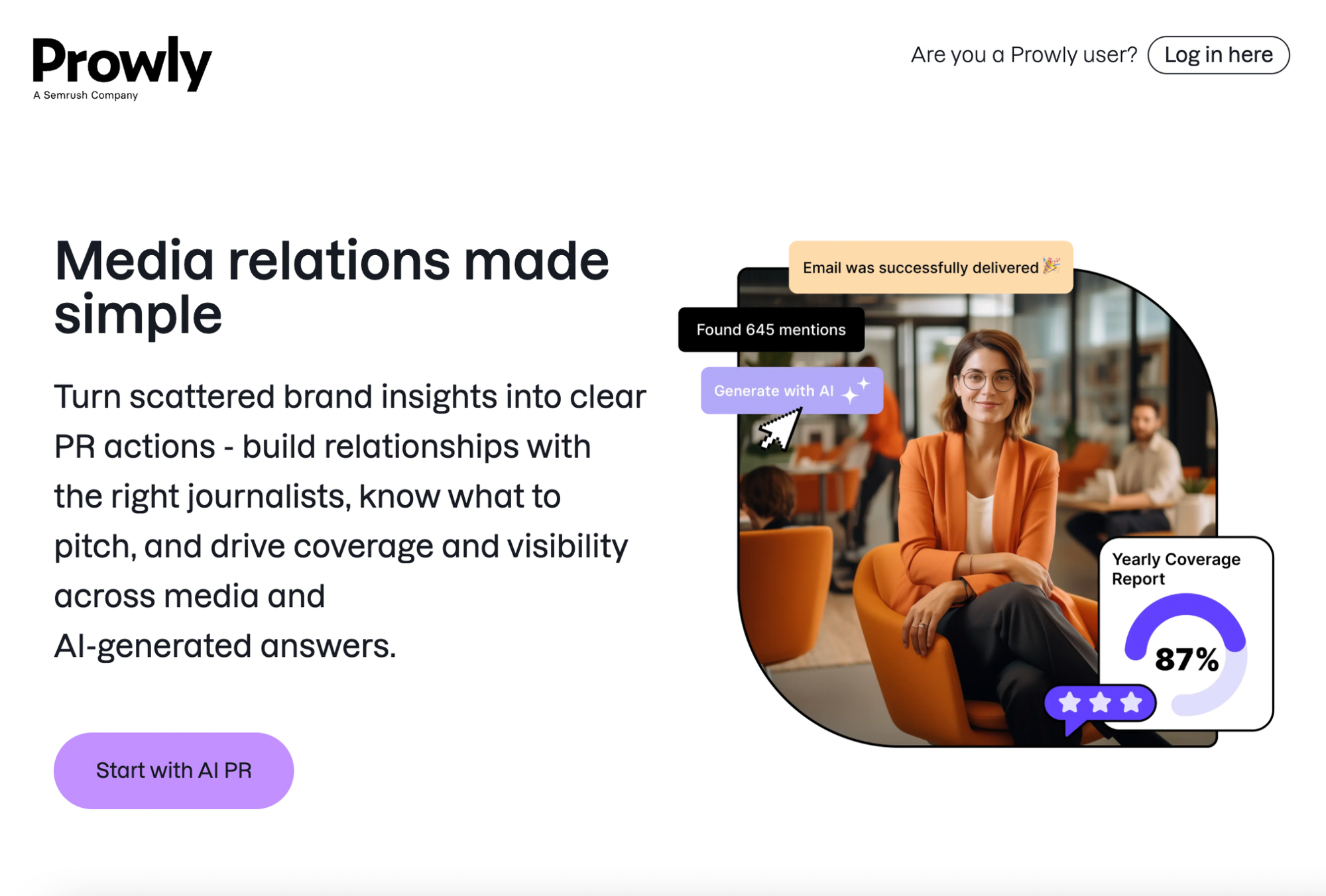 The Semrush AI PR Toolkit (formerly Prowly) reset this node's pricing. The Semrush AI PR Toolkit (Prowly) ships an AI-cited media finder, journalist database, and outreach tools; Base is US$149 per month when billed annually, Pro is US$279 per month when billed annually and is where monitoring, audience insights, follow-ups, and advanced analytics begin, and Business is US$499 per month when billed annually with competitor media tracking and multi-brand intelligence. Older reviews may still treat Prowly as a standalone subscription — do not judge the current Semrush AI PR Toolkit on that mix.
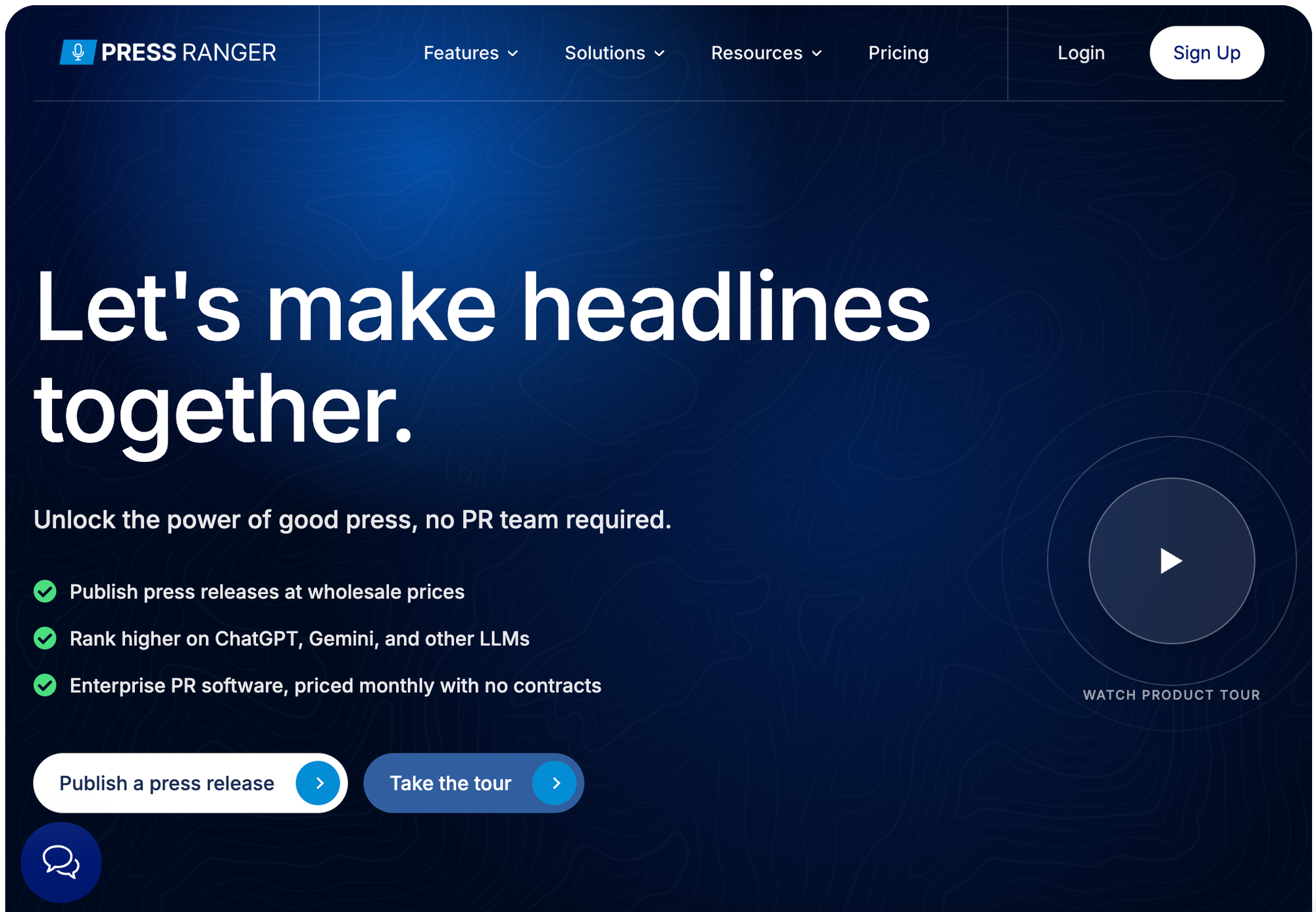 Press Ranger is deliberately narrow: journalist discovery by publication, beat, and coverage history, then outreach managed in-platform. For high-volume pitching across clients it removes manual research without enterprise overhead, though it is not a monitoring suite — the same honest caveat applies to Respona and HeyJared.
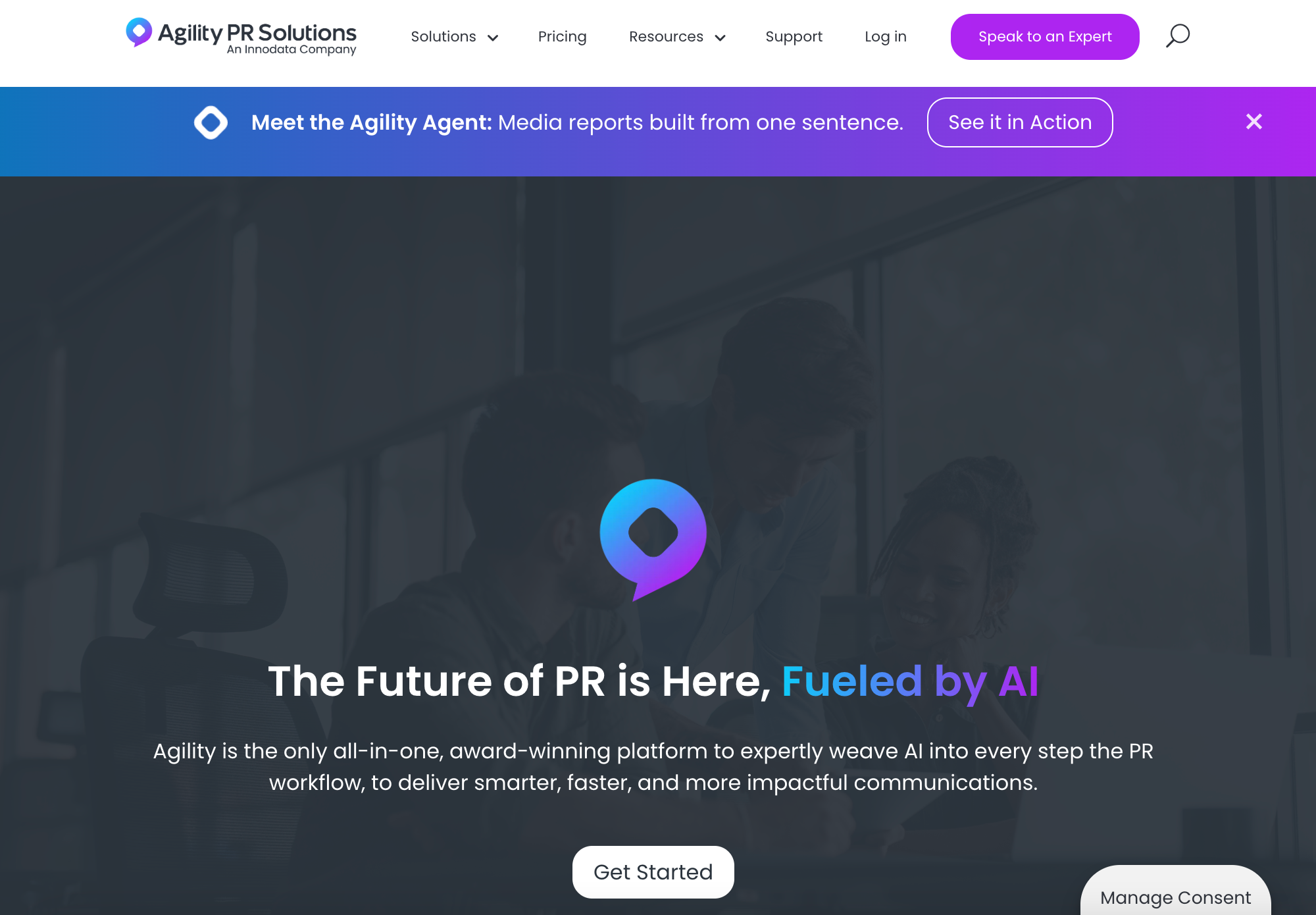 Agility PR Solutions runs the full loop in one workflow: over 1.1 million journalists and outlets maintained by an in-house research team, Influencer Streams surfacing journalist activity in real time, and PR CoPilot handling pitch personalization, subject line optimization, and press release writing. G2 users rate it across media targeting, distribution, and analytics with over 397 verified reviews; pricing is custom-quoted.
Measurement, CRM, and consolidation
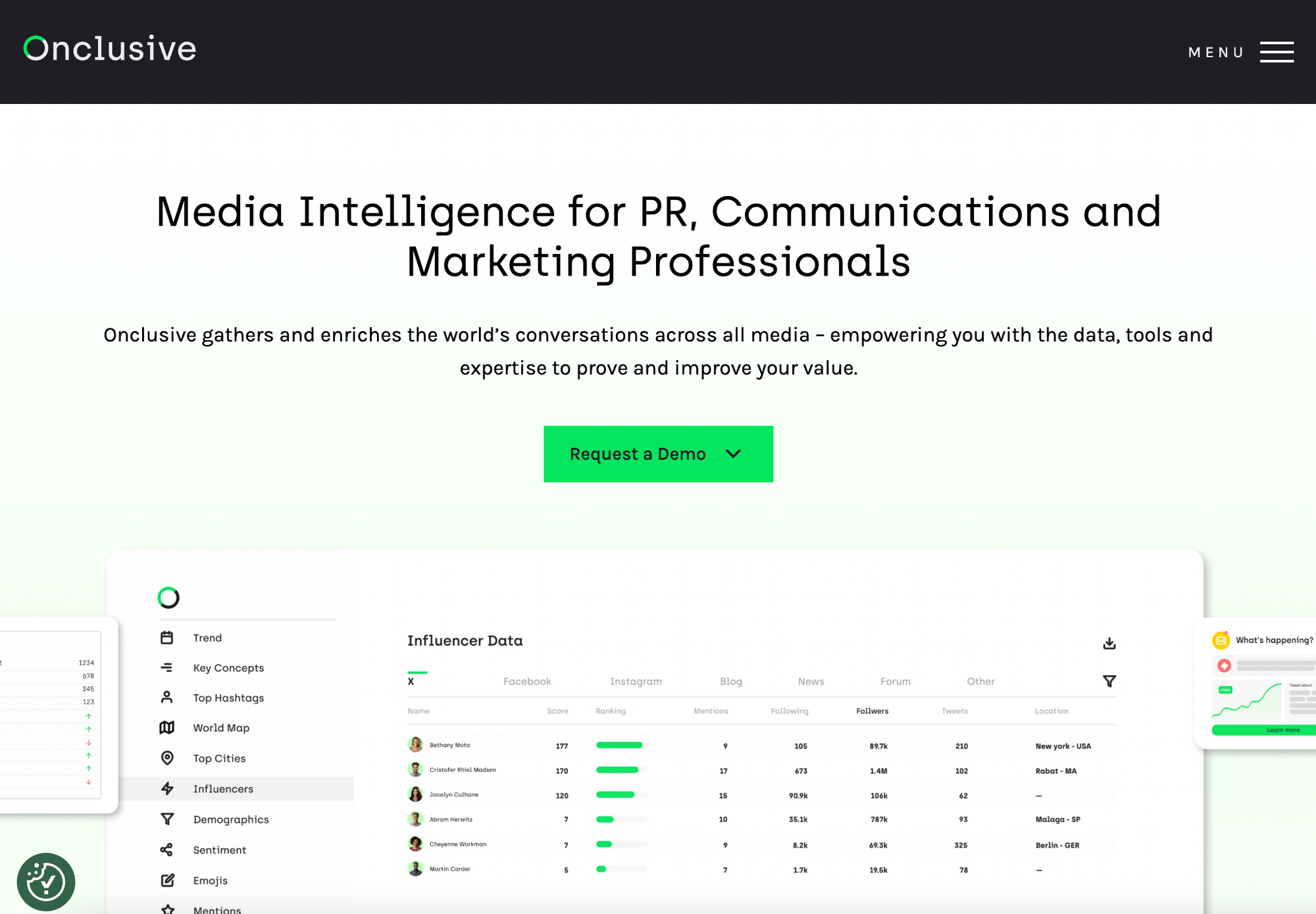 Onclusive, formerly AirPR, answers the CFO question by connecting earned media to web traffic, leads, and conversions instead of clip counts. The plain-language reporting pattern matters here — it is the same move we tracked on the data side in the RudderStack Lookout audience pilot, where teams describe goals in natural language and the system builds the query.
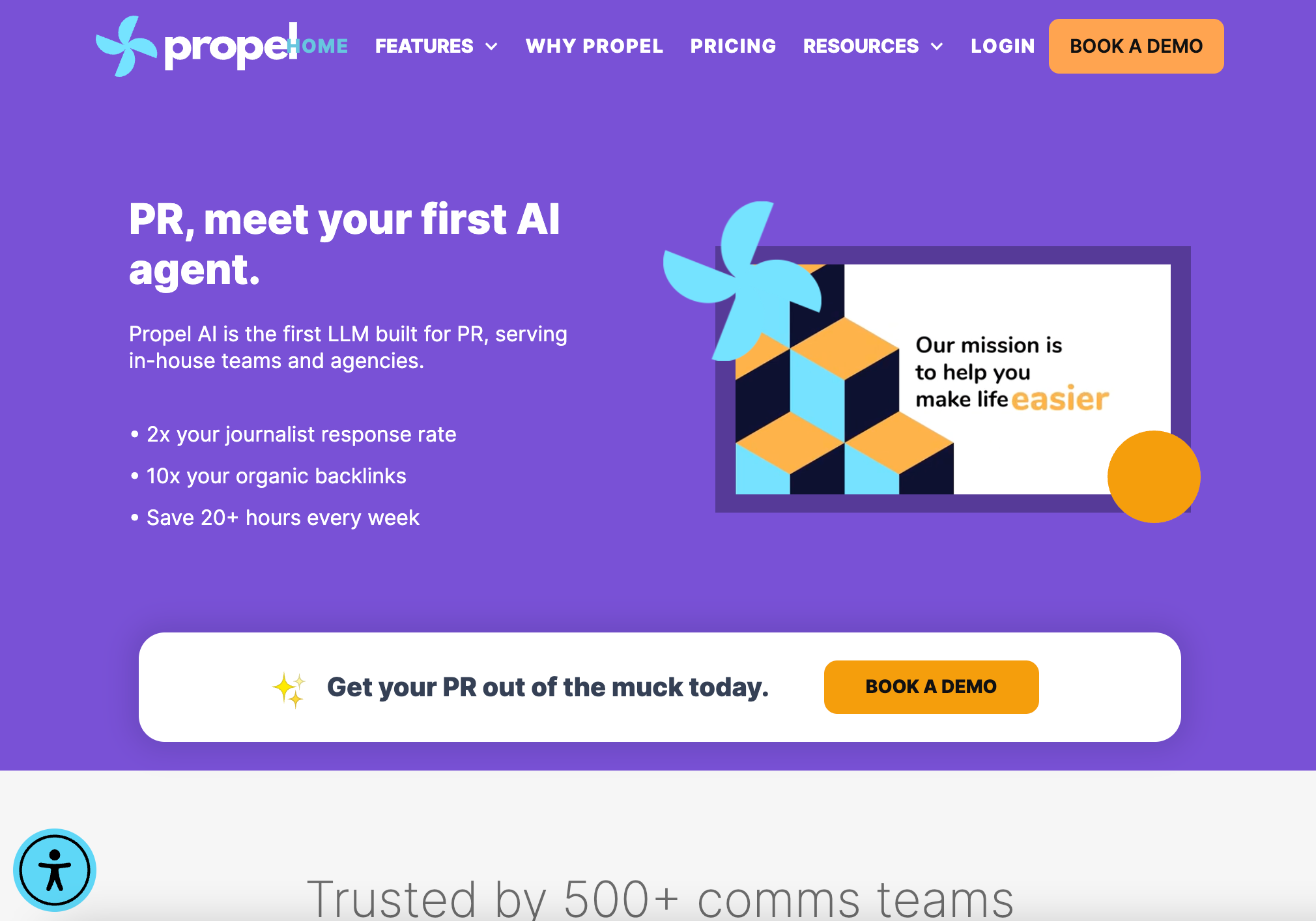 Propel, founded in 2019 by a former agency owner, is CRM-first: a media database of over one million journalists, plus Gmail and Outlook integrations that let you pitch from your native inbox with real-time open tracking. Its AI layer, Artificial Media Intelligence (AMI), trained on a proprietary dataset of over five million pitches and press releases, drafts outreach, suggests journalists, and scores engagement — a PR-specific grounding general writers lack. Clients include Microsoft, NPR, and Real Chemistry; Propel 2.0, released early 2024, pushed AI deeper into the pitch-to-publish workflow.
 Goodie is not monitoring — it is Answer Engine Optimization: tracking and improving how brands appear in ChatGPT, Perplexity, Gemini, and Claude answers, with AI visibility monitoring, an optimization hub, and an AEO content writer. Similarweb keyword data puts the average zero-click rate for answer-engine-optimization queries on Google at 78%, one measurable symptom of discovery shifting toward generated answers. It matters only if AI-search presence is strategic; pure monitoring teams gain little. Teams reorganizing around AI-driven discovery can see the operational version in our Mars Snacking AI-commerce case replay.
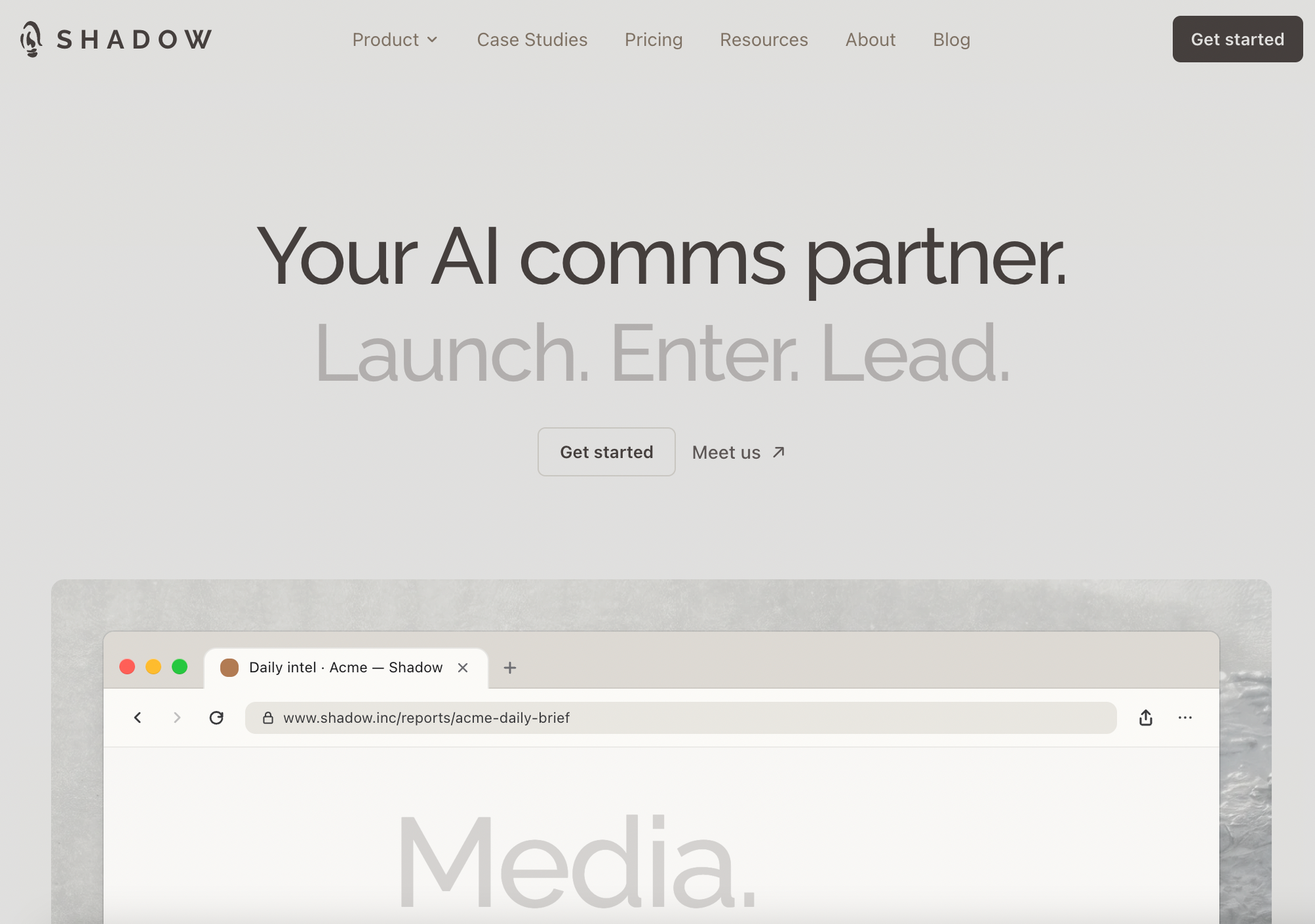 Shadow runs in two modes: an AI-native agency for growth-stage tech companies (OpenAI, Roblox, and Amazon are clients) and the same infrastructure licensed to other agencies. The consolidation case is a cost case — PR Council 2025 data cited by Shadow puts the average agency on 8 to 12 disconnected platforms at $2,000 to $5,000 per employee per month once licenses and integration overhead count. Agency or platform, the underlying product is the same.
What does each choice cost beyond the invoice?
| Choice | You get | You accept |
|---|---|---|
| Enterprise suites (Cision, Meltwater) | Breadth and scale built over a decade | Five-figure annual contracts and onboarding time |
| Point tools (Press Ranger, Brand24, Propel PRM) | Fast setup, one node done well | You stitch monitoring, outreach, and reporting yourself |
| Consolidation (Shadow) | One system with persistent client context | Workflow lock-in to a young platform |
The field now spans a decade of accumulated enterprise infrastructure and AI-native platforms that did not exist two years ago, so match vintage to risk tolerance. And note what almost no demo shows: a verification layer. Every platform drafts; none guarantees the facts. Teams that keep a human gate on journalist-facing output are the ones whose AI investments compound.
Which mistakes show up most often?
- Judging Semrush by pre-acquisition Prowly reviews. Pricing and features changed with the Semrush AI PR Toolkit; stale data leads to wrong-tier purchases.
- Sending AI-personalized pitches ungrounded. With 88% of journalists discarding off-beat pitches, one fabricated coverage reference costs more than a generic send. Verify beat and recent coverage first.
- Assuming agent autonomy is ready. At 12% adoption, wait out the next 12 to 18 months before betting a client program on unsupervised agents.
- Buying AEO before monitoring is stable. Goodie covers a gap nothing else here fills, but only once core coverage tracking works.
- Comparing sentiment labels across demos. Brand24's emotion sorting and CisionOne's issue detection are different claims — benchmark on your own mentions, not the vendor dataset.
FAQ: the questions teams ask before signing
Do I need an AEO tool if monitoring already works?
Only if stakeholders increasingly ask what AI platforms say about your brand. Monitoring tracks what journalists publish; Goodie tracks what ChatGPT or Perplexity generates. Different sources, different fixes — thought-leadership and executive-visibility teams usually need both.
Which Semrush tier should a small team start on?
Base at US$149 per month when billed annually if pitching is the job; Pro at US$279 per month when billed annually once monitoring and audience insights become requirements; Business at US$499 per month when billed annually only when competitor tracking is mandatory. Confirm current usage limits before subscribing.
Can AI agents run a client program unsupervised yet?
Not reliably. Only 12% of AI-using professionals run agents today, and the category stays pre-consolidation for at least the next 12 to 18 months. Keep human approval on every external send.
What is the leanest credible stack?
One point tool for outreach (Press Ranger, Respona, or HeyJared), a lightweight monitor (Brand24), and a measurement habit — even a manual one. The Shadow consolidation math matters only when your stack approaches the 8 to 12 tools the PR Council flags as the agency average.
The decision checklist
- Name the bottleneck node: targeting, monitoring, measurement, or answer-engine visibility — one, not four.
- Assign who writes and who verifies for every externally shipped output.
- Check grounding: does the database show recent coverage, and does monitoring cover your actual channels?
- Price the whole stack — current contracts plus candidate plus integration overhead per employee per month.
- Know your boundary tier: for the Semrush AI PR Toolkit, it is Pro.
- Set a kill criterion: the 90-day usage number that says the tool did not earn its seat.
Thirteen platforms, four nodes, one rule: the tool matched to the constraint you can name beats the one with the longest feature list.
References
- Muck Rack, State of AI in PR 2026; AI in PR guide: muckrack.com
- Meltwater and We. Communications, State of PR Report, January 14, 2026: meltwater.com
- Similarweb, Answer Engine Optimization: aisearch.similarweb.com
- Arthur W. Page Center (Penn State), AI adoption and ethics in public relations, April 2026: pagecenter.psu.edu
- Shadow, AI Tools for PR guide: shadow.inc
- Research and Markets, global PR tools market sizing (cited in text)